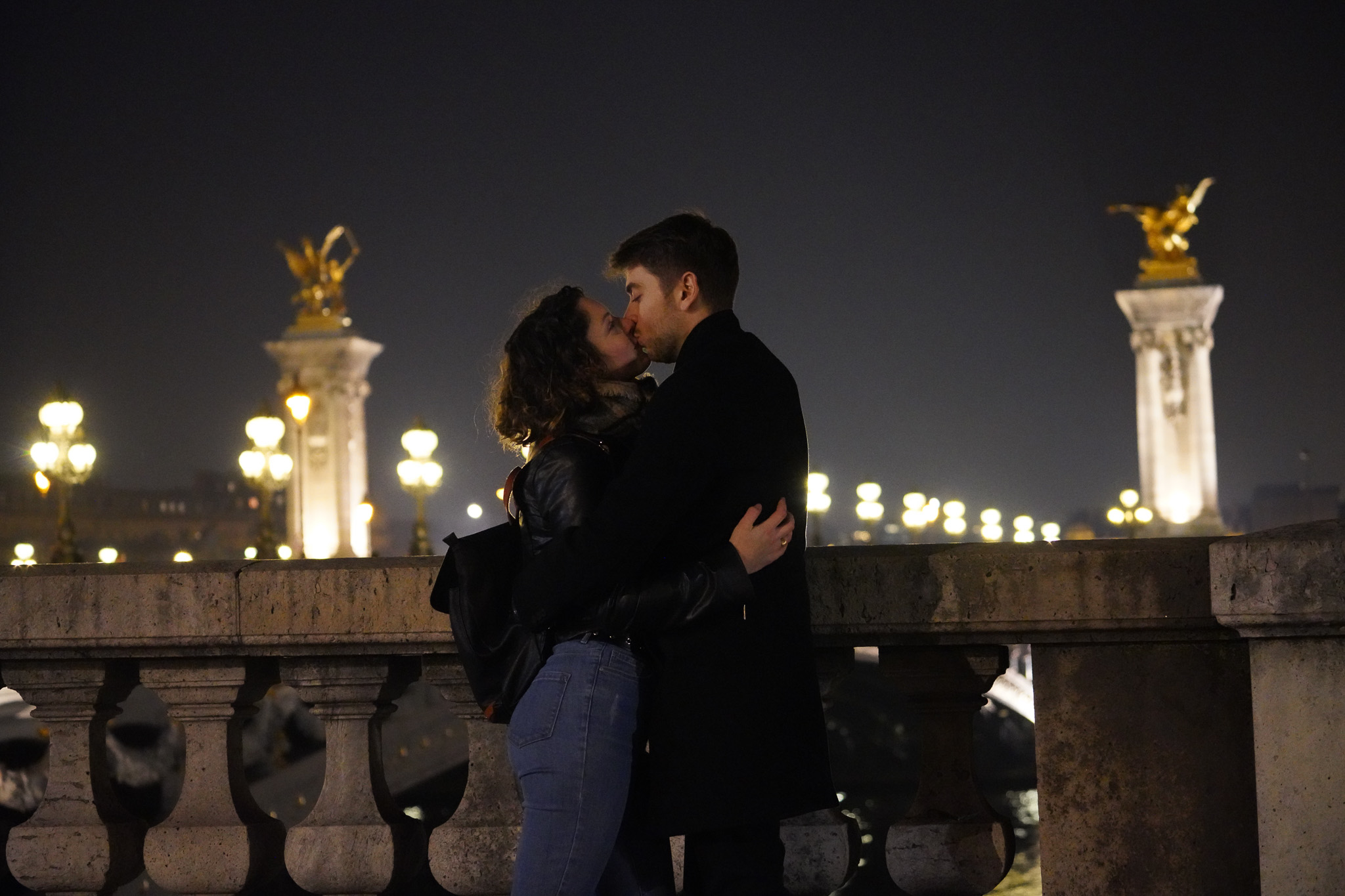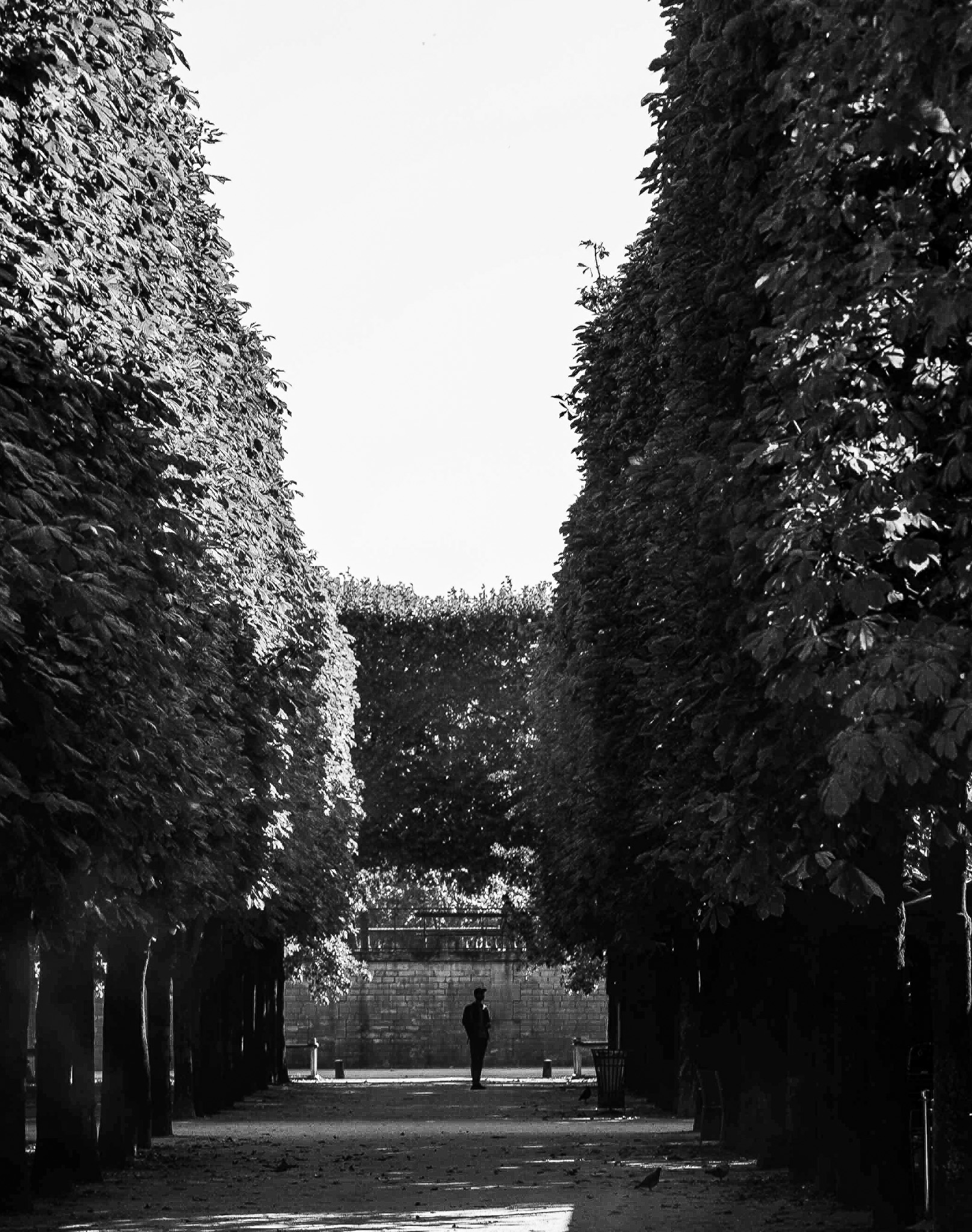
It lives in the late-summer light at 7pm, when it falls across the limestone facades of the old arrondissements. It lives in the glow of a brasserie at midnight in January, when the rain is cold outside and everything inside is warm and unhurried. That yellow is not a colour. It is a feeling. A frequency. A permission to slow down, stay longer, order another glass.
I have lost count of how many times I have arrived in Paris on yellow-light time. For me, the feeling is close to what Emicida describes in his song “AmarElo”: amar + elo, “a link of love” in free translation. My husband’s family lives there, which means I did not choose Paris once — I keep choosing it, every year, every season, across different versions of myself. And every time, it receives me as if I never left and never learned.
What Paris has given me professionally is more difficult to explain. It starts with attention. The city does not rush you toward conclusions. It lingers in contradictions — the ancient and the radical, the elegant and the chaotic, the intimate bistro and the monumental boulevard, the bourgeois and the avant-garde sharing the same pavement. I have learned to sit inside contradiction, and here it feels natural. To trust instincts as material, not as a problem.
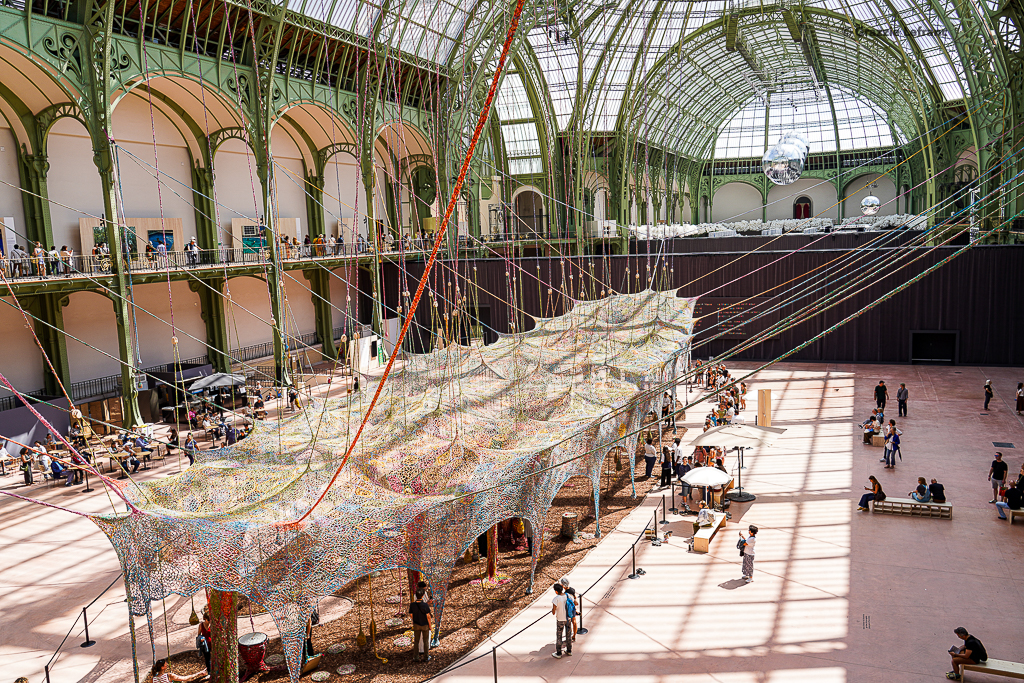
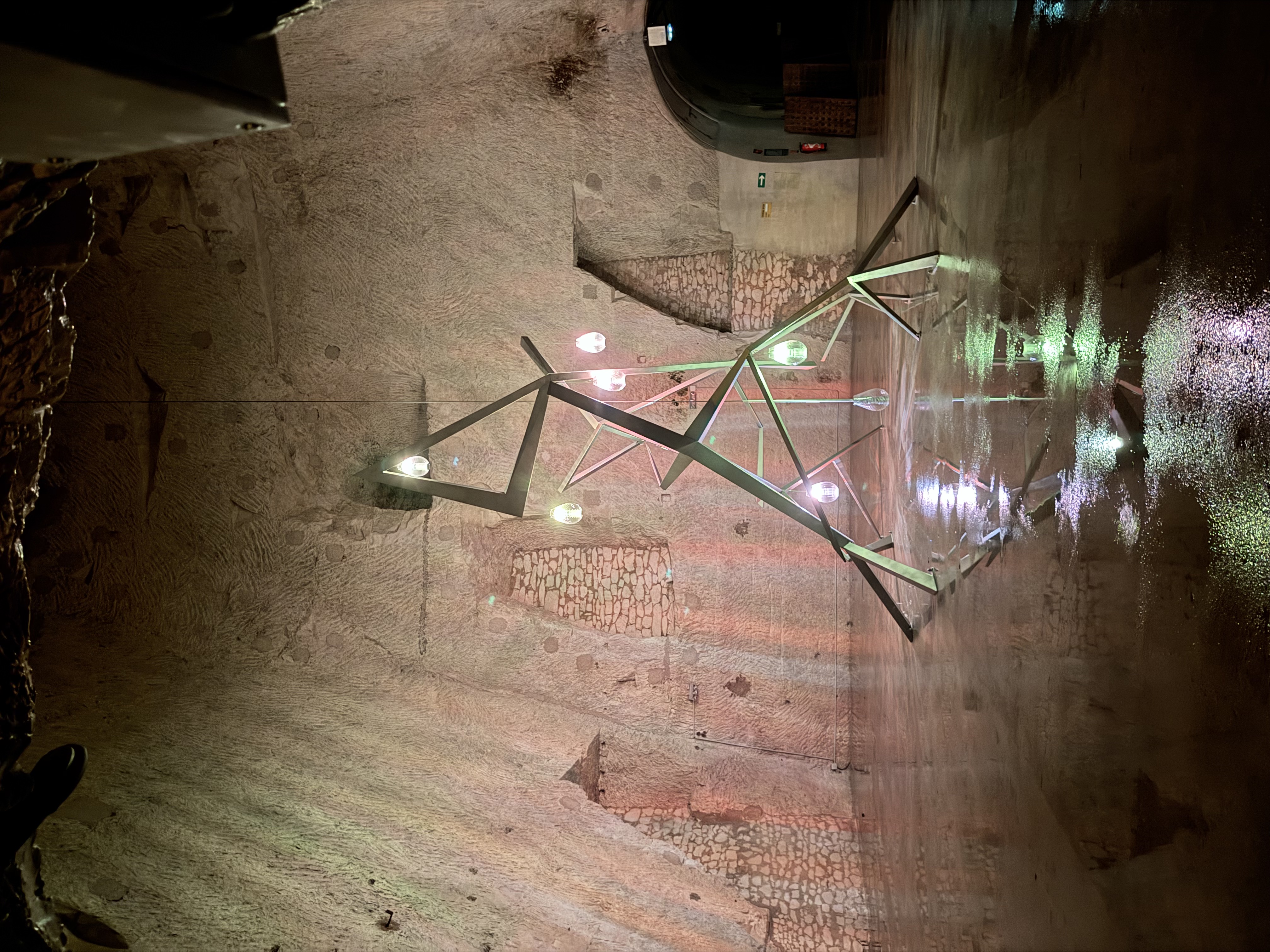
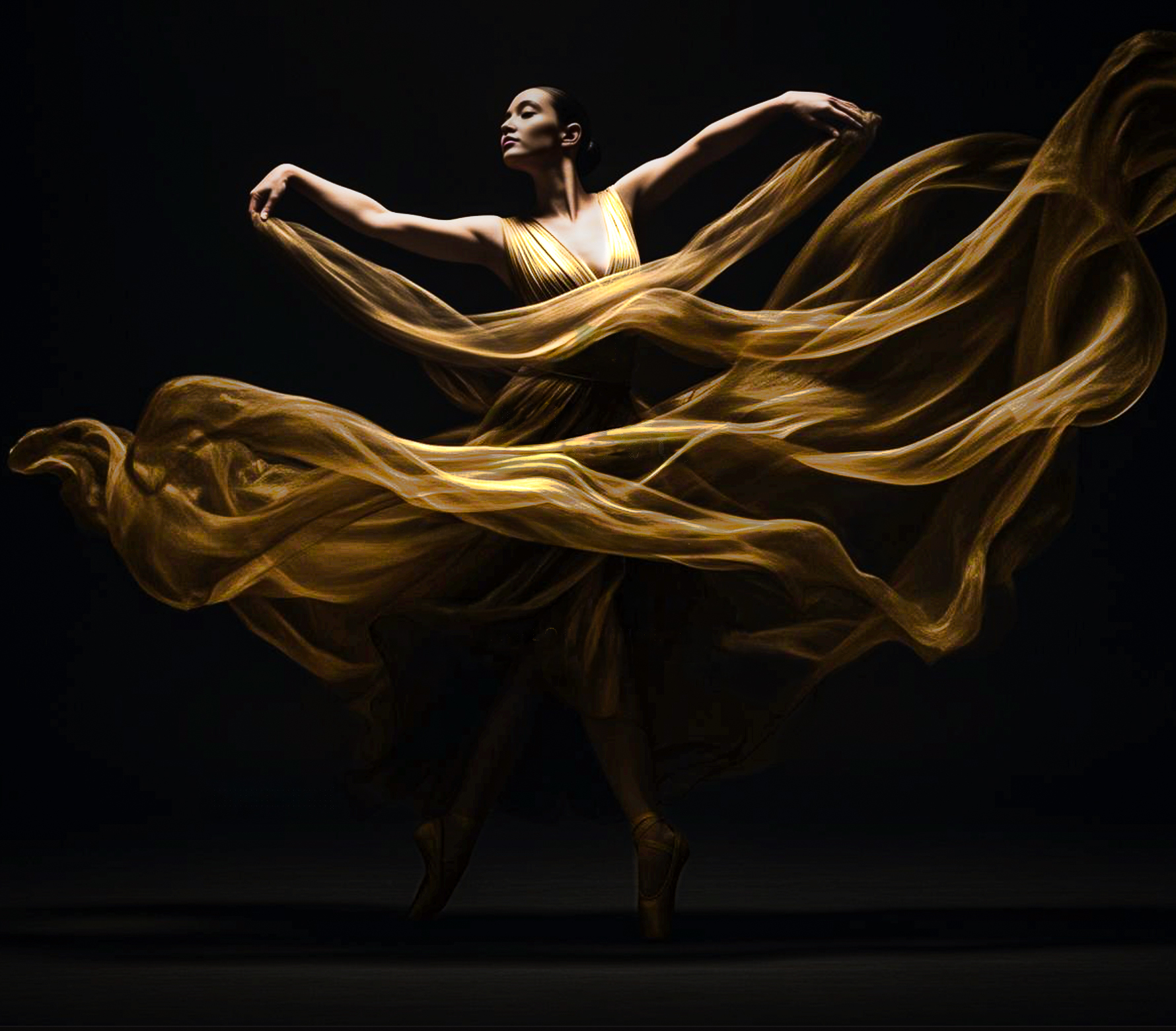
The art, installations and courses I have visited across Paris over the years have layered themselves into a kind of private architecture inside me. I don’t visit them to consume them. I visit them to be changed by them. To notice what stays after I leave the room. It was in front of a sculpture — a figure so still it felt like it was about to exhale — that the first real image of Alive Sculptures came to me. The idea that stillness is not absence. That marble remembers the body it was shaped after. That classical art is not historical — it is latent, waiting for a human presence to reactivate it.
The city does not rush you toward conclusions — and it contradicts you when you do.