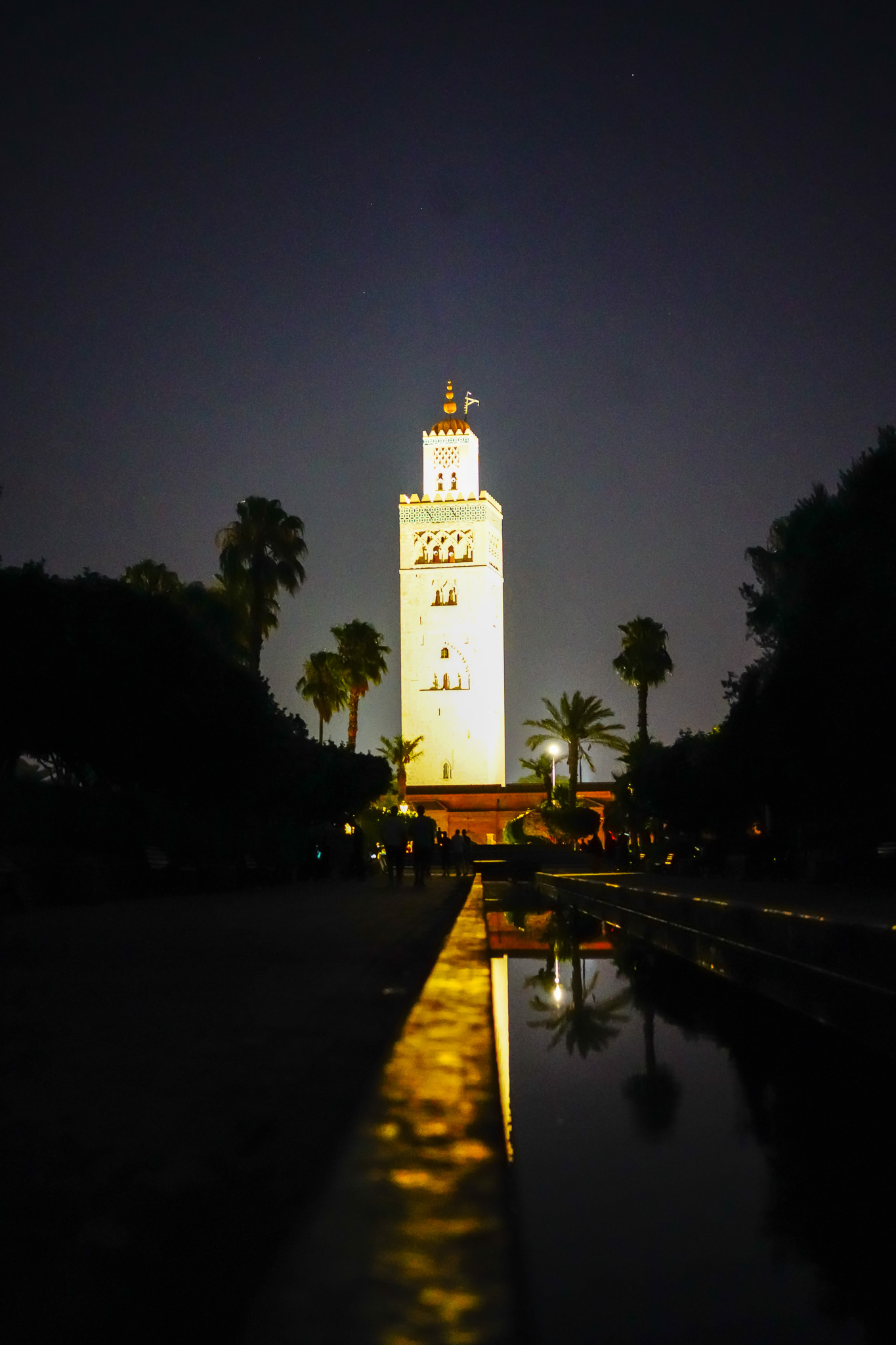
I arrived in Morocco expecting to be impressed. I left having been quietly rearranged.
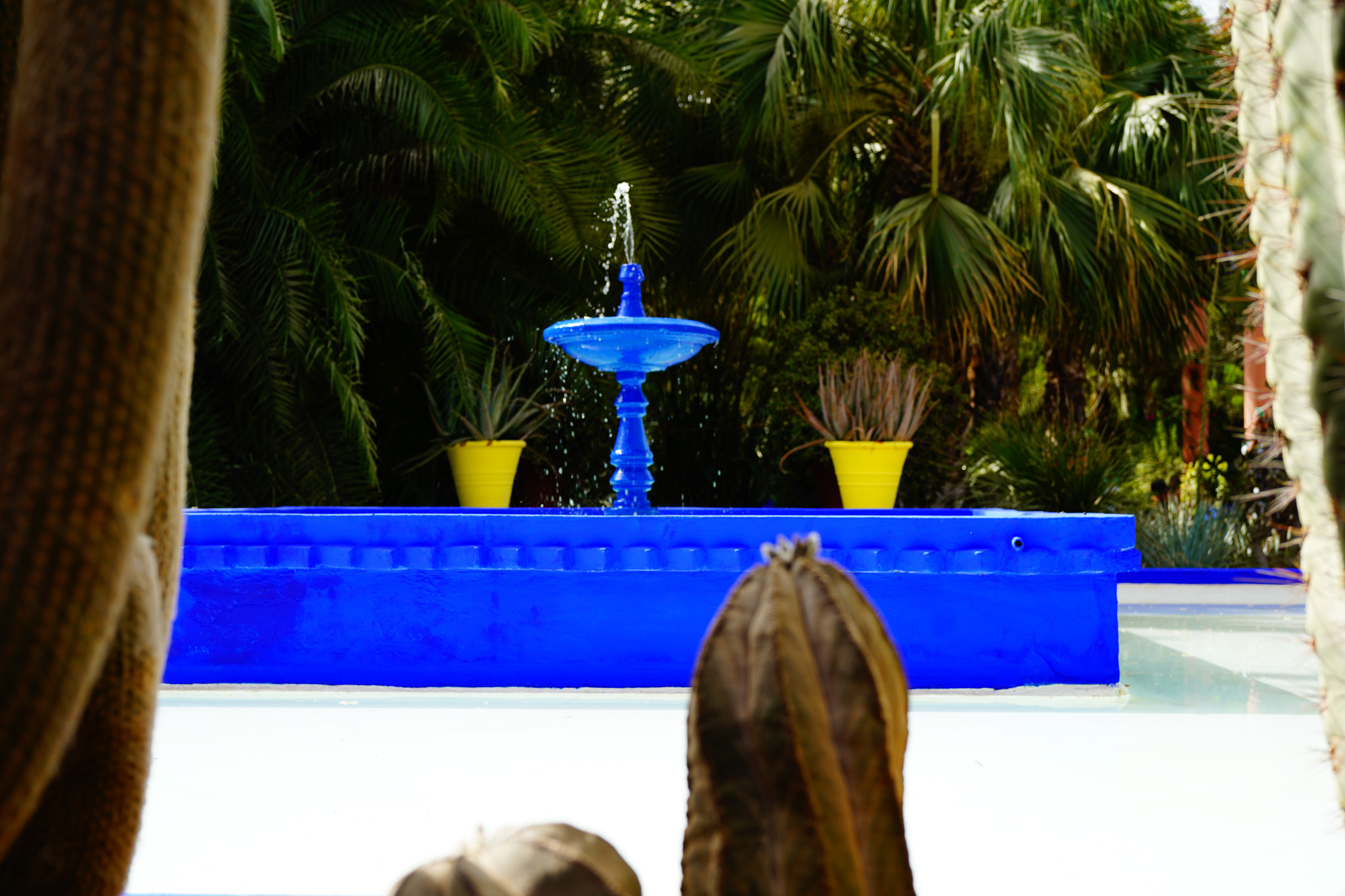
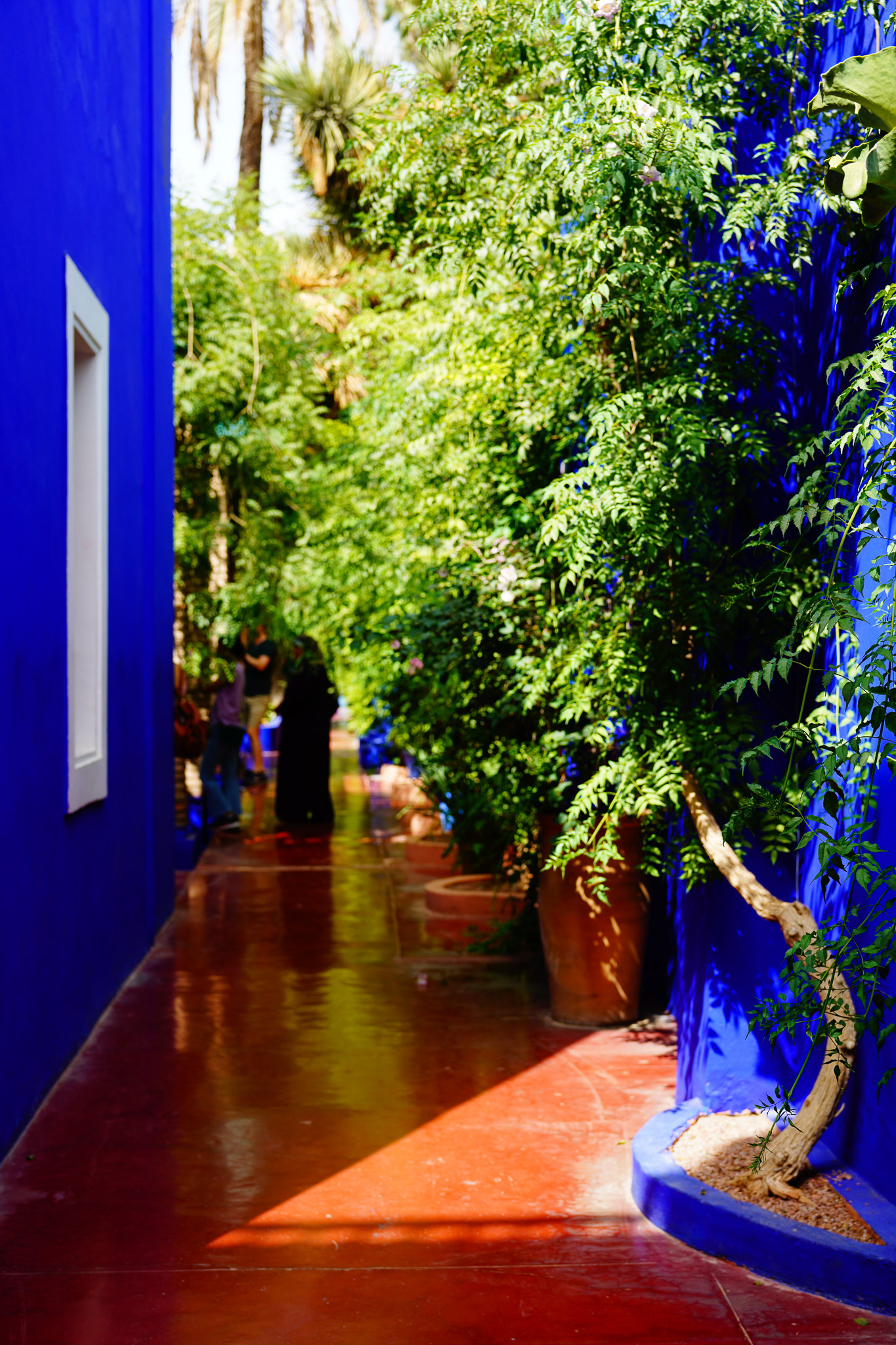
It happened slowly, across visits to Casablanca, Marrakesh (twice), Rabat, the Institut des Langues et des Civilisations at the ISL Museum and Berbere Museum at Jardin Majorelle — a place where language is not taught as tool but as living civilisation, where the plurality of Arabic, Amazigh, French, and Spanish exist not as hierarchy but as a kind of gorgeous, layered texture. I stood there thinking about how I carry at least three languages inside me, and how each one gives me a different emotional vocabulary. How the word for something in Portuguese is never quite the same thing as its translation. How language, like culture, is not a container. It is a living frequency.
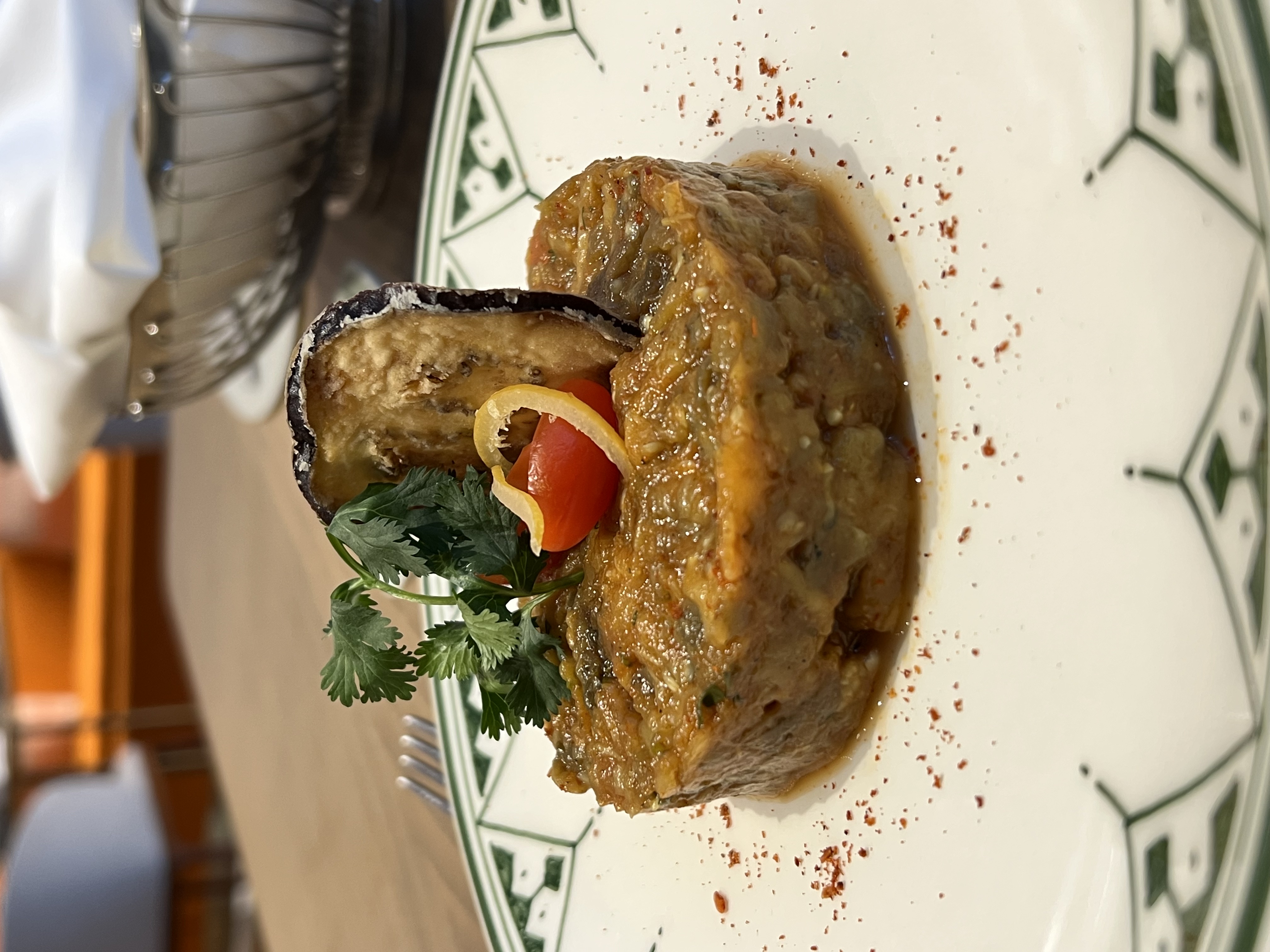
Morocco operates on time that is different from European time. Not slower — fuller. A conversation is not a transaction. A meal is not fuel. Hospitality is not performance — it is a philosophical position. The act of welcoming someone into your home, of offering tea and sitting without urgency, is a statement about what the host believes about human dignity. I received that generosity more than once, from people I had only just met, and it changed something in how I think about friendship.
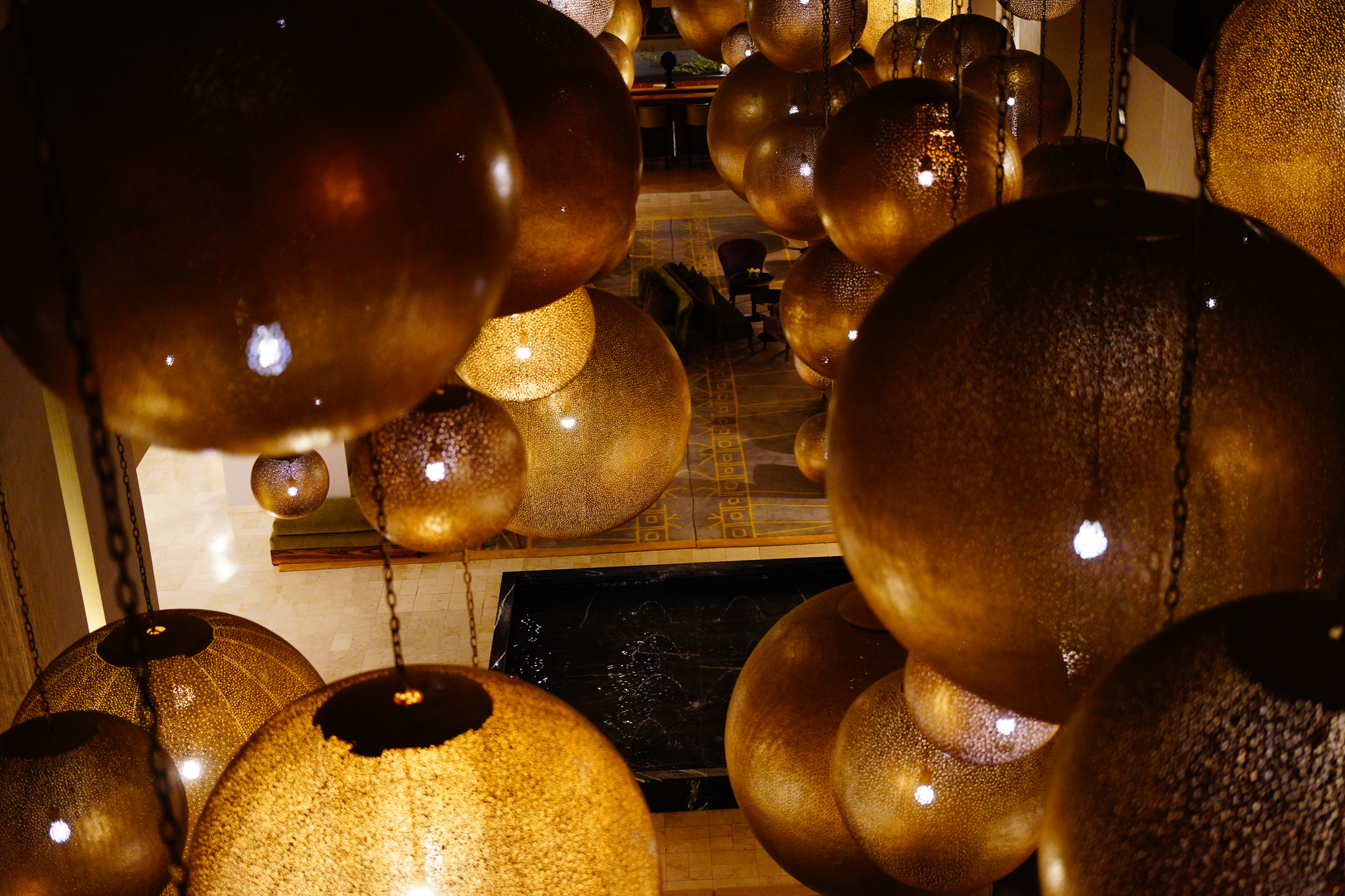
Multilingual cultural absorption
Because Morocco also taught me about friendship as a form of cultural fluency. The friends I made there moved across cultures and languages with a particular grace. They were multilingual not just in the linguistic sense but in the social sense. They could read a room across cultural codes. They knew when to be direct and when to circle slowly around a subject. They knew that the same gesture means something different depending on who is watching.
"Hospitality in Morocco is not performance. It is a philosophical position. A statement about what the host believes about human dignity."
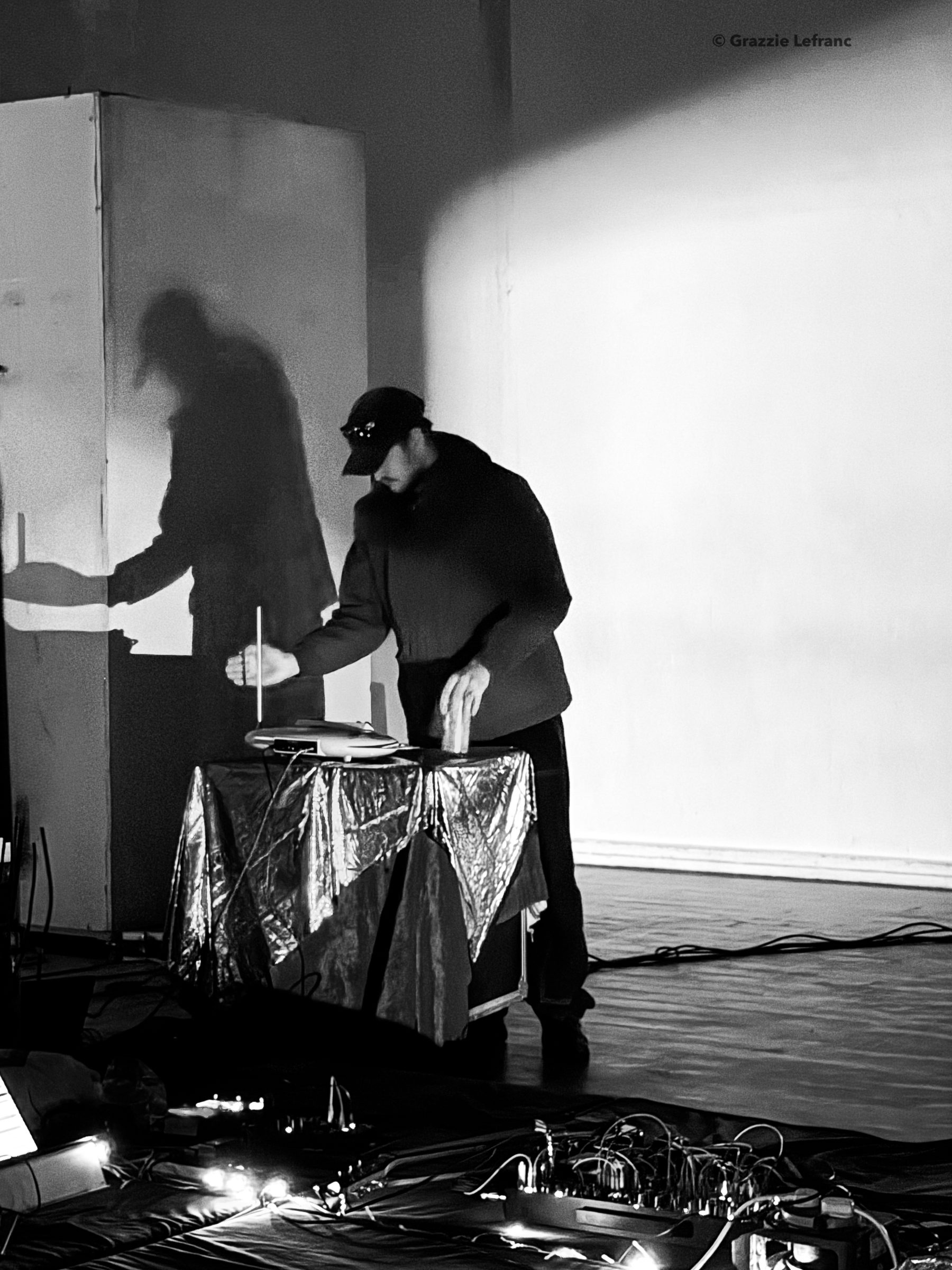
This kind of intelligence — what I began to call multilingual absorption — is something I actively try to cultivate, personally and in the spaces I create.
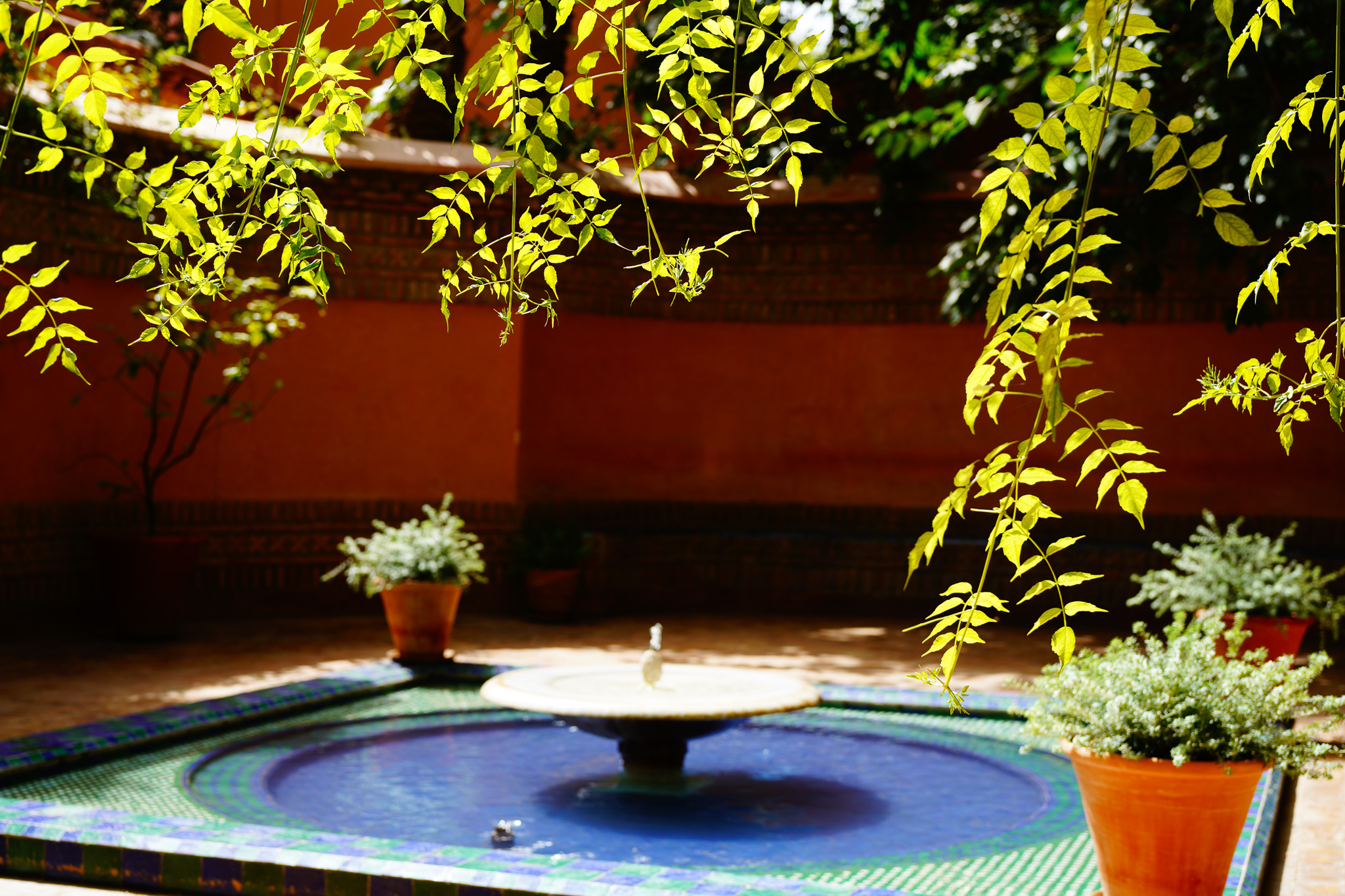
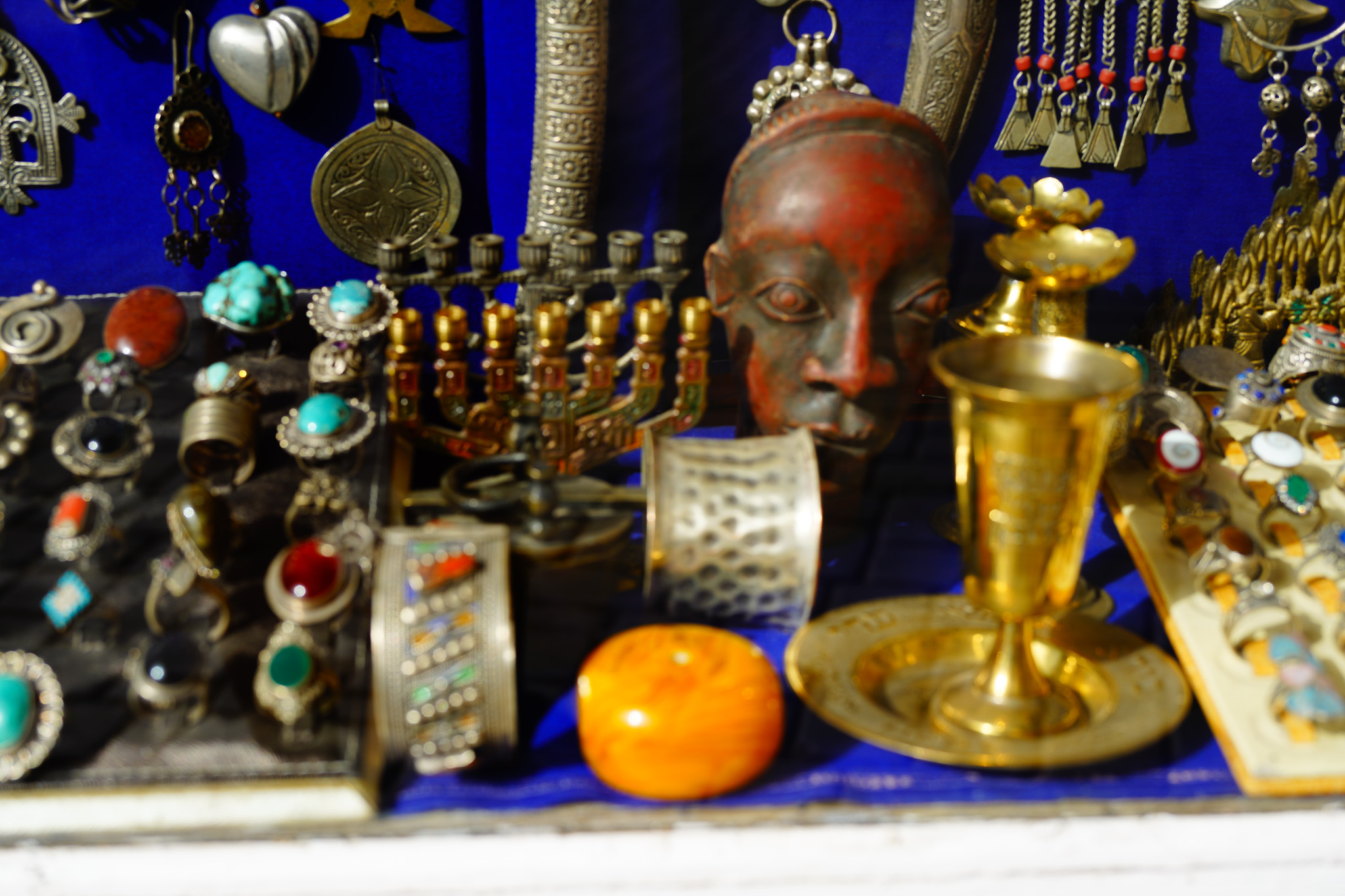
Marrakesh in particular lives in my memory as a place of sensory richness that refuses to be aestheticized. The medina is not a set. It is a functioning organism — a city that has been trading, producing, living, and arguing in the same alleyways for centuries. The leather tanneries are both ancient and ongoing. The spice stalls are both market and archive. The riads fold inward, away from the noise, into the quiet geometry of courtyards. I thought about Alive Sculptures constantly there — about how the human body moves differently in spaces that are designed with ritual in mind, with privacy at the centre, with beauty treated not as luxury but as necessity.
What I brought back from Morocco was not a collection of images. It was a restructuring of my assumptions about what it means to be culturally generous. Not generous as in permissive — but genuinely interested in the reality of people whose world is not yours. Willing to let someone else's culture change how you move through the world.
That is a much harder thing than tolerance. Tolerance keeps its distance. What I experienced in Morocco was something closer to kindness osmosis.
"Tolerance keeps its distance. What I found in Morocco was something closer to osmosis."