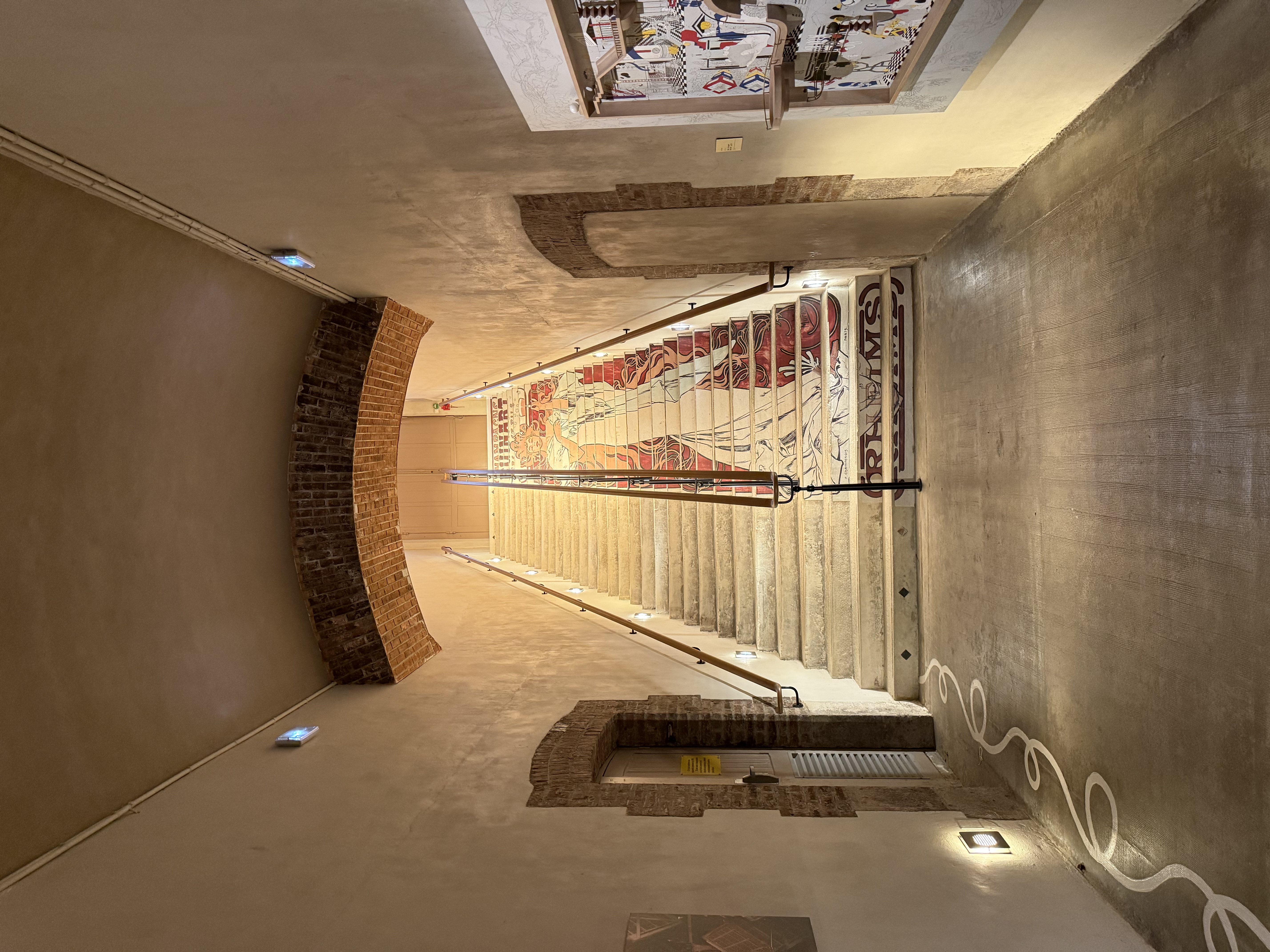
Some ideas do not arrive through force — but through environments that understand depth and time. Champagne is one of them.
Grazzielle LefrancLondon3 min read
i.
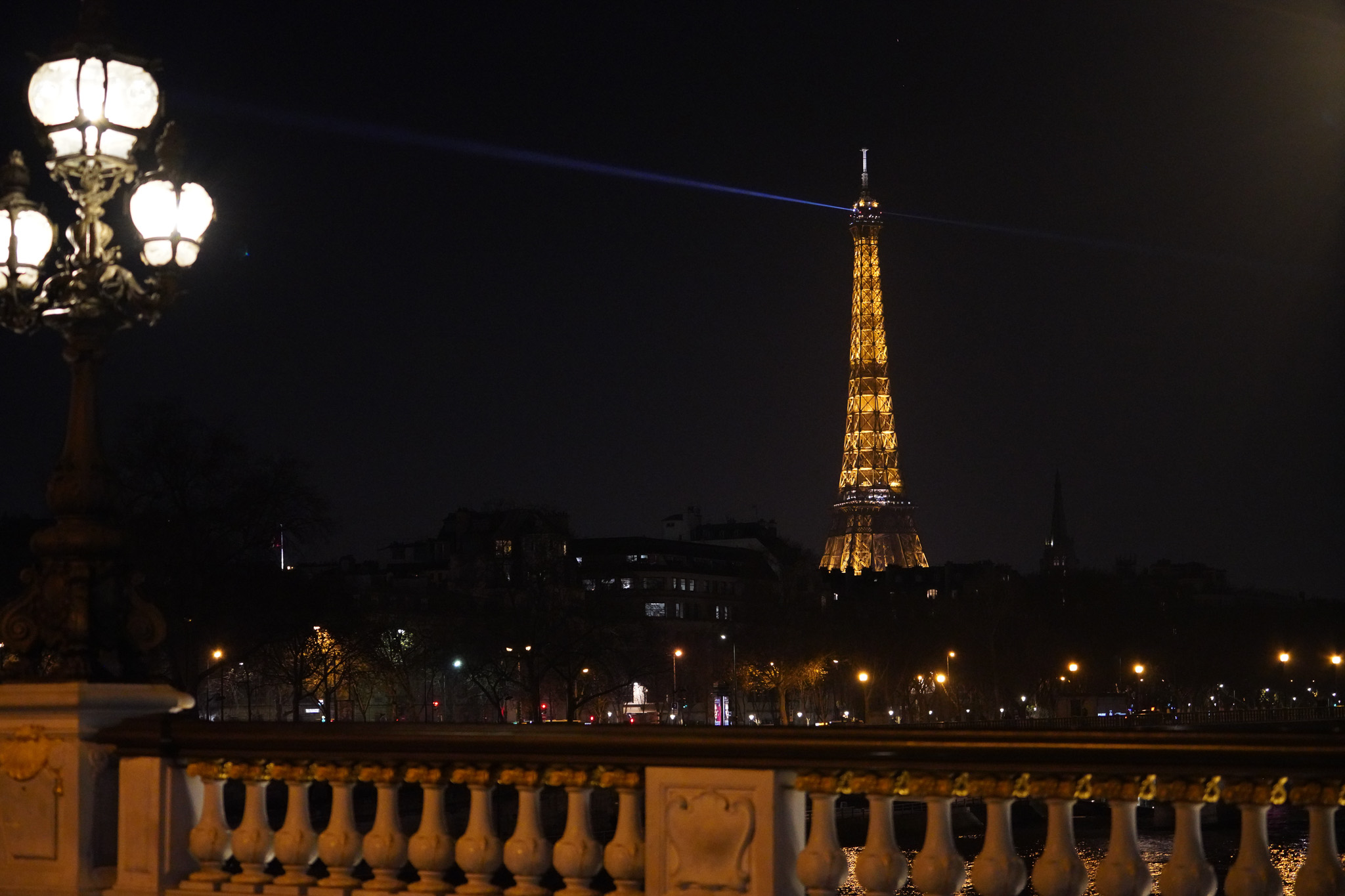
I did not expect to fall in love with Champagne the way I fell in love with Paris. Paris seduces loudly. Champagne seduces without effort, almost without intention — through its landscape, its pace, and its deep, quiet relationship with time.
Some ideas do not arrive through force.
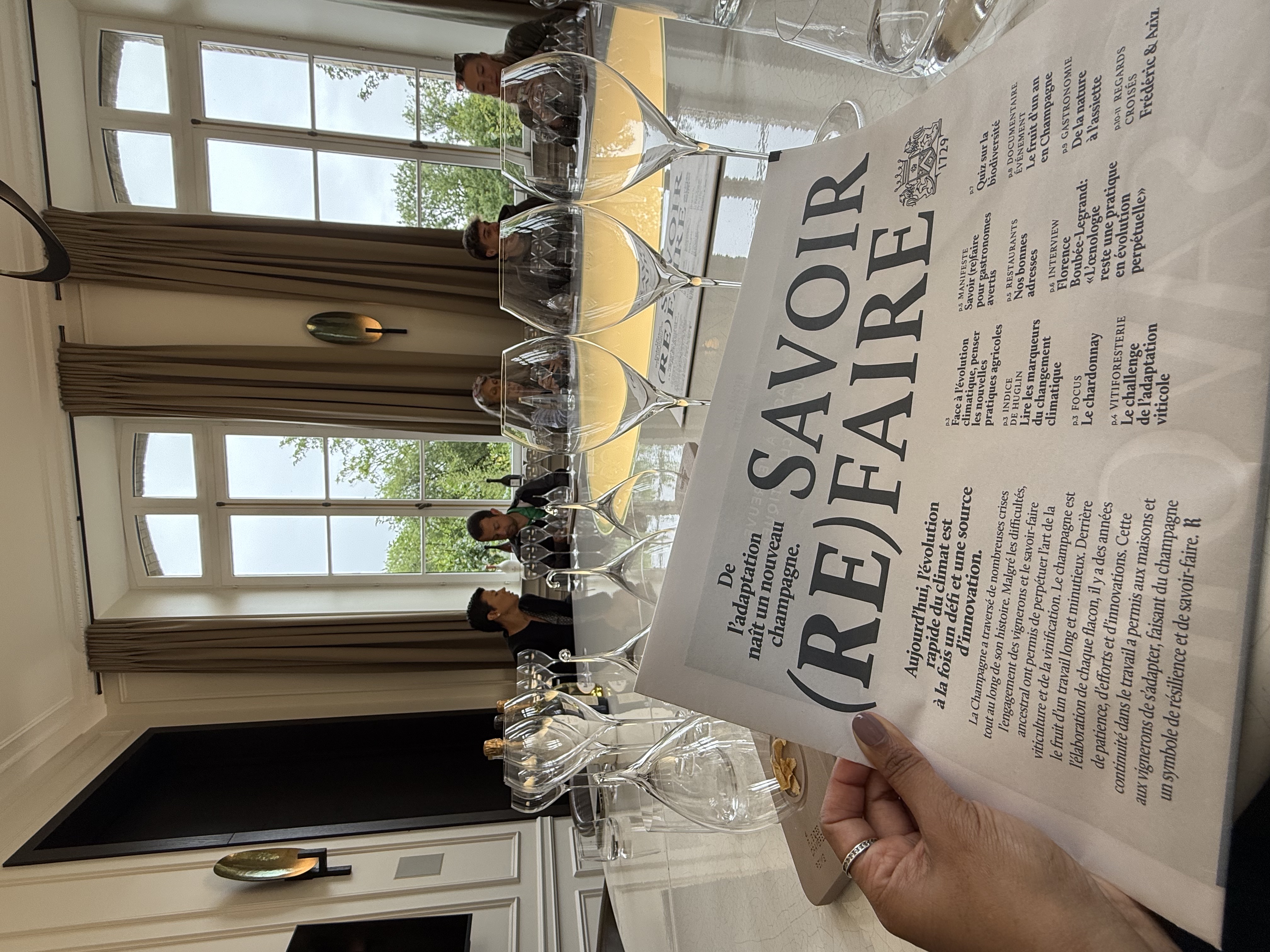
Chalk, patience, and nothing rushed.Savoir (Re)faire, practice carried forward.
Some ideas do not arrive through force.
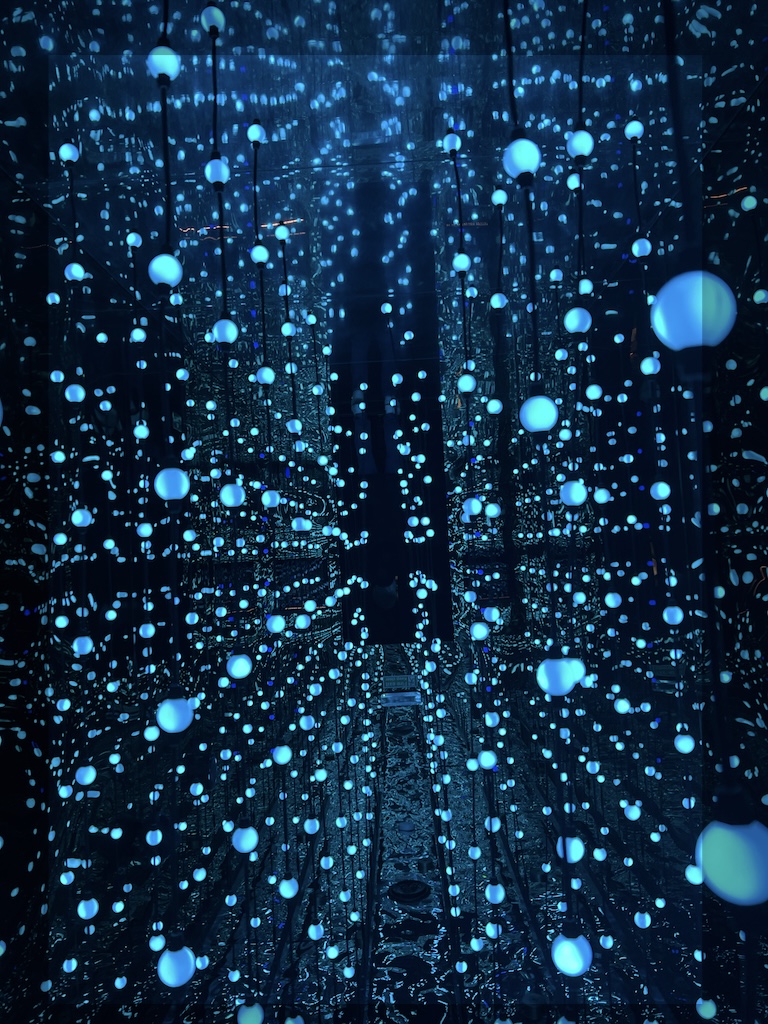
I visited three champagne houses while already carrying a series of ideas that had not yet found form. The projects were there — Alive Sculptures, Ewè of Life, the Spiritual Archives and the concept I would later call Grain of Gold — but they were still diffuse, like light before it finds a surface to illuminate. Champagne gave them that surface.
Chalk, patience, and nothing rushed.Savoir (Re)faire, practice carried forward.
The first thing that strikes you about the Champagne region is how the land itself argues for patience. The chalk geology, the particular angle of northern light, the vineyards that produce something tightly controlled under difficult conditions — all of it is oriented toward a result that takes years to achieve. The méthode champenoise is, when you think about it, a philosophy: secondary fermentation in the bottle, time in the cellar, the riddling and the disgorgement, the balance between effervescence and depth. Nothing is rushed. Nothing is added that does not belong. The final product is, in a very precise sense, the distillation of contradiction — tension made into pleasure.
Nothing is added that does not belong.
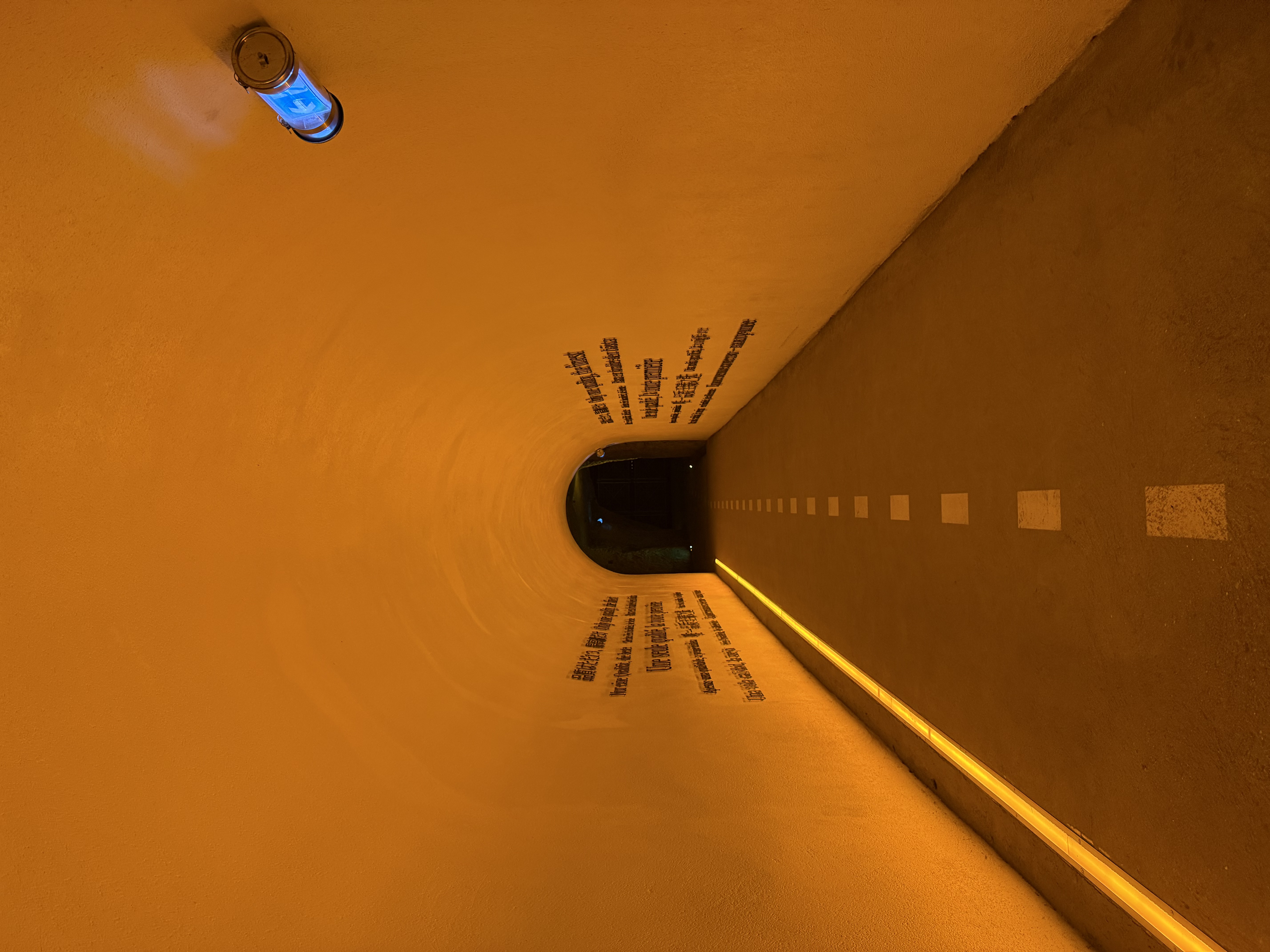
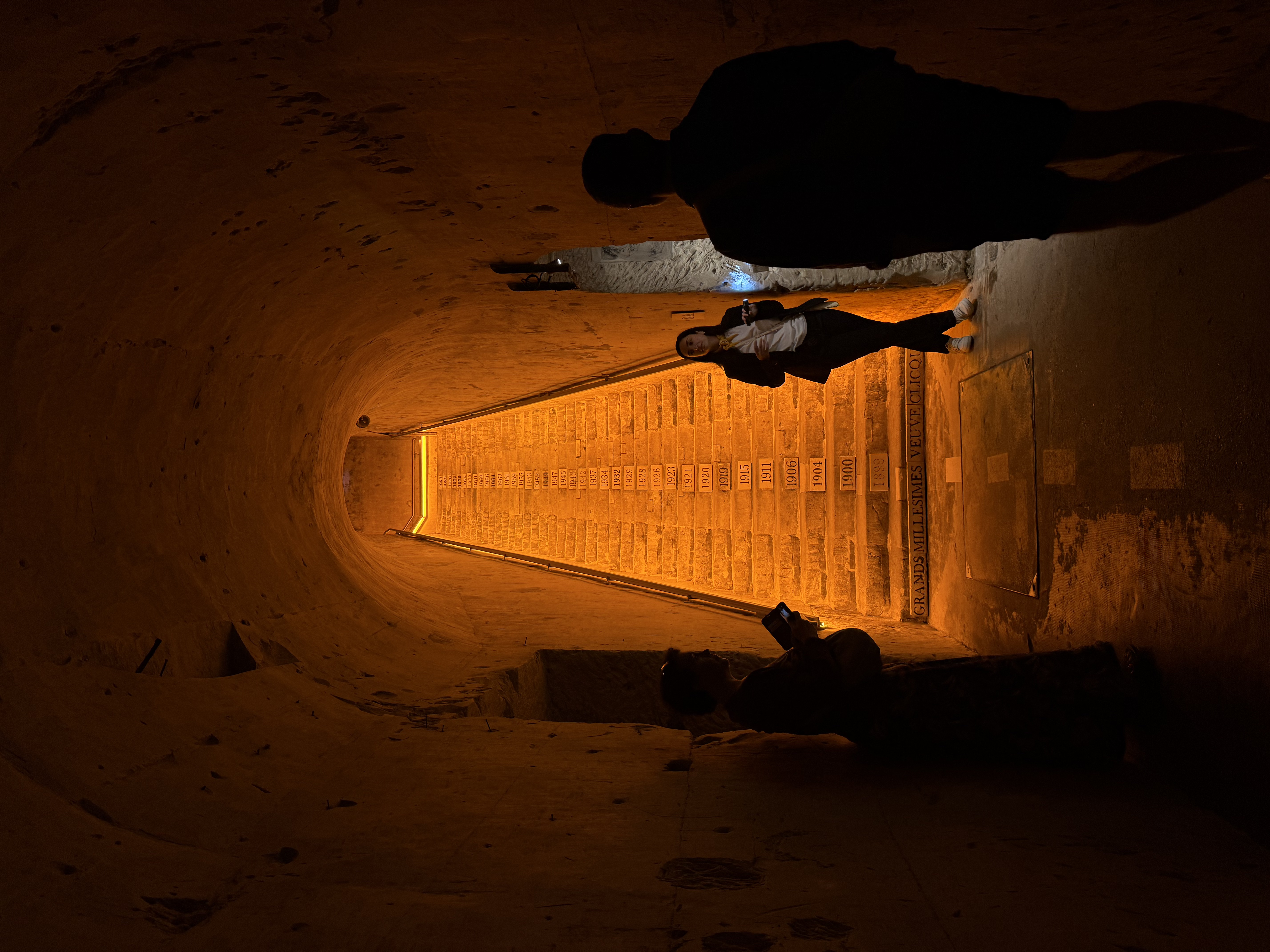
Ten metres beneath, where Champagne and art installation age together.
ii.
The caves beneath the maison
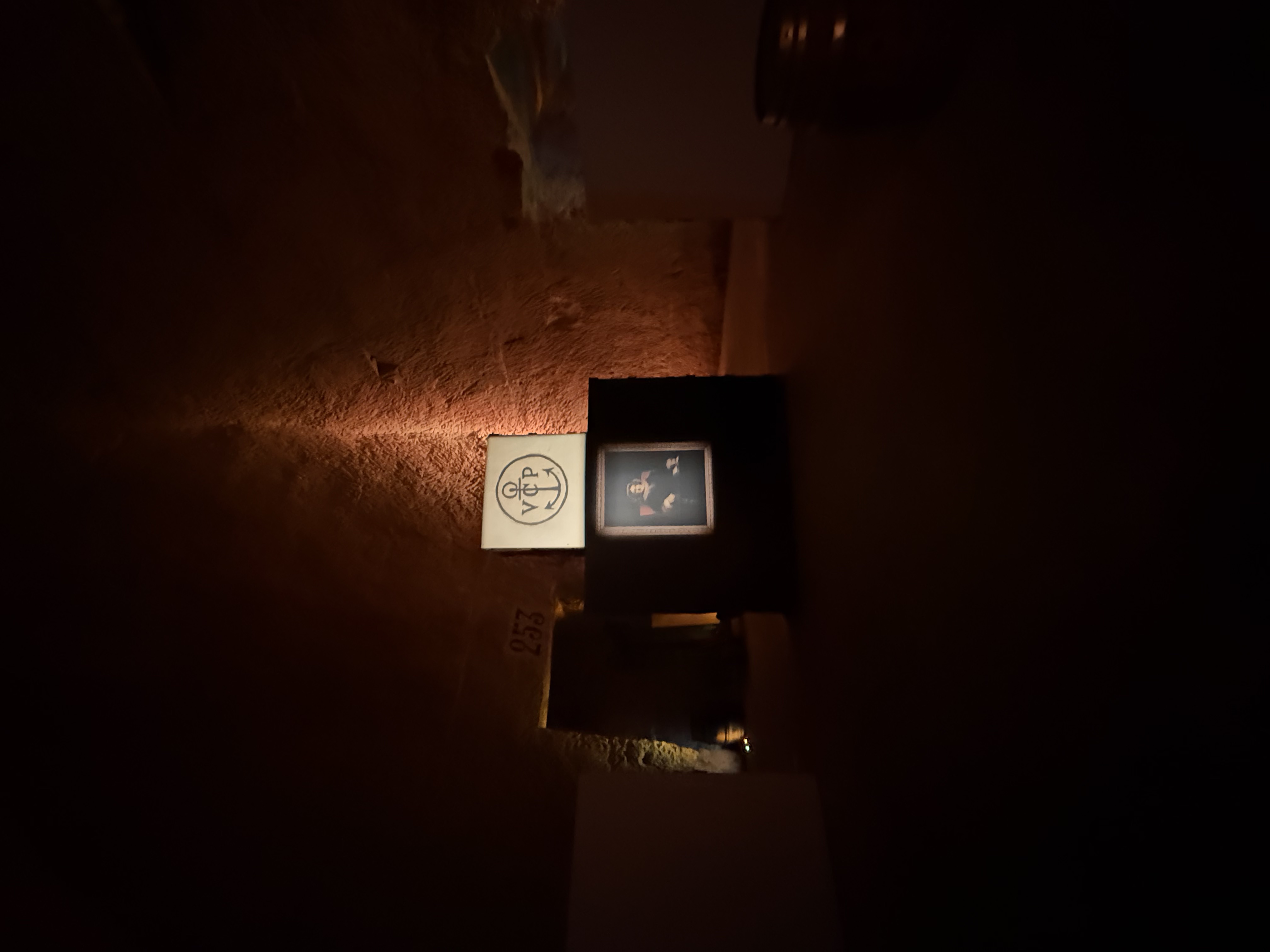
Ten metres beneath, where Champagne and art installation age together.
I was thinking about sculptures as I tasted wine in the chalk caves beneath one of the grand maisons. About how the greatest classical sculptures also took years — not just to carve but to conceive, to live alongside, to wait for the material to reveal what it could become. There is an intimacy in that relationship between maker and material that I had been trying to name for years.
I was thinking about the art of sculpting a champagne, a rock, an idea.
“Life is not something you add to form. It is what emerges when form has been treated with enough time and enough attention.”
In those caves, ten metres underground, where Champagne and art installation age together, among the riddling racks and the slow effervescence, I found a way to articulate it: life is not something you add to form. It is something that emerges when form has been treated with enough time and enough attention.
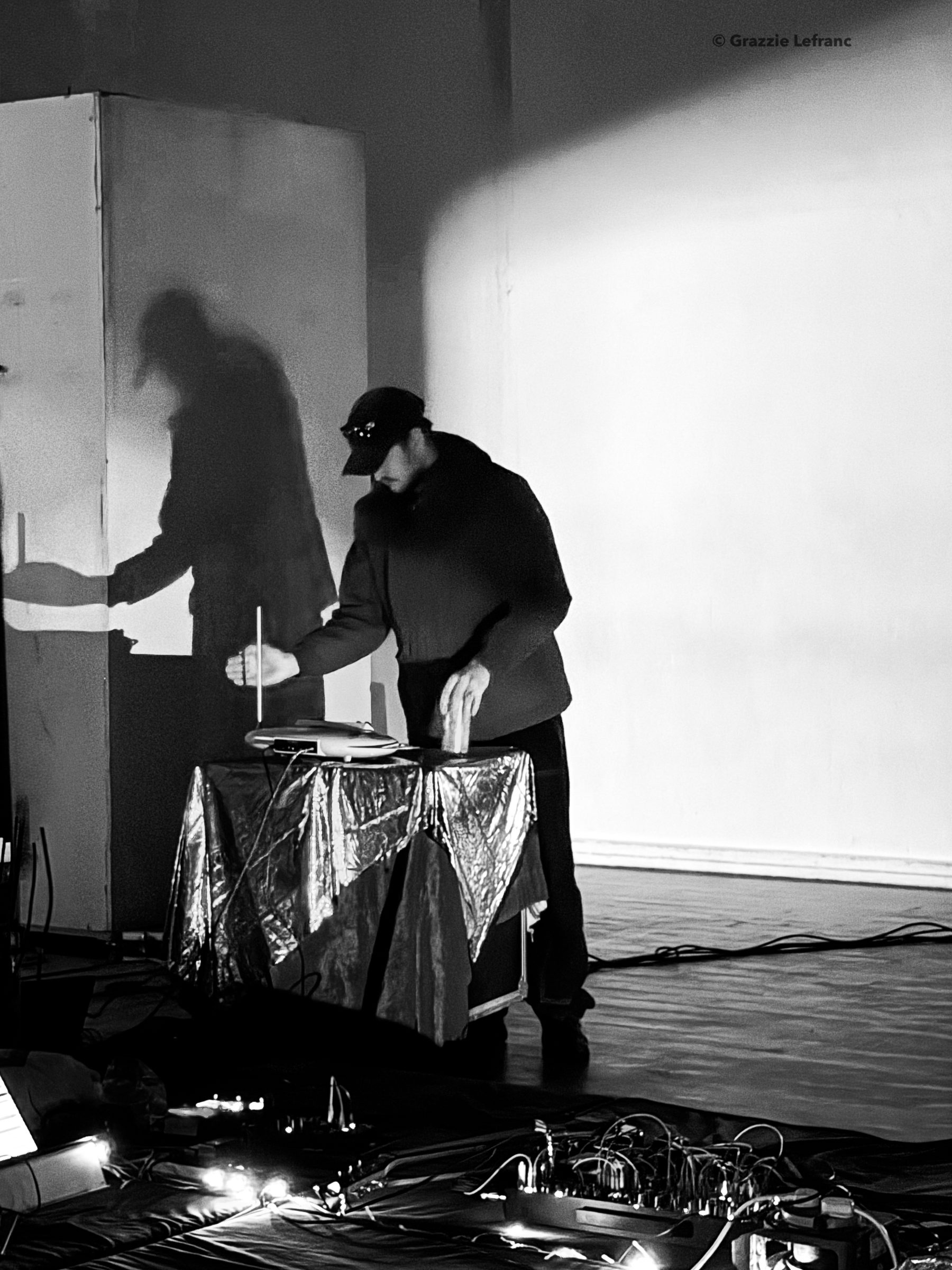
That is the heart of Alive Sculptures: the body as the returning breath of what art made still.
Walking through the terroir, through the villages where the same families have cultivated the same slopes for generations, I kept thinking about what gets carried forward. Not just technique. Not just memory. Something more like orientation — a relationship to the earth, to quality, to the invisible labour that no label acknowledges.
Grain of Gold begins there: with the idea that there is something precious and irreplaceable being carried in human practice — ritual, craft, sensory intelligence, relationship with place — that acceleration is putting at risk. And that the act of design, when it is serious, is partly an act of protection and resistance. Not excluding modernity, but embracing it and incorporating it into the decision about what must survive.
The Champagne region is not glamorous like Paris. It is effortlessly elegant, calmer, older, more particular. Its beauty requires your full attention. And I think that is precisely what it gave me at the right moment: a place so specific and so unhurried that I had no choice but to think in depth.
Depth is a language there, and it changes everything.
Grain of Gold, what is worth carrying forward.
“Champagne does not seduce loudly. It requires your full attention. And sometimes that is exactly what a developing idea needs.”