Essay 01 · Place & Perception
Paris does not ask to be understood quickly — it teaches you how to see by slowing you down.
There is a yellow in Paris that I have never found anywhere else.

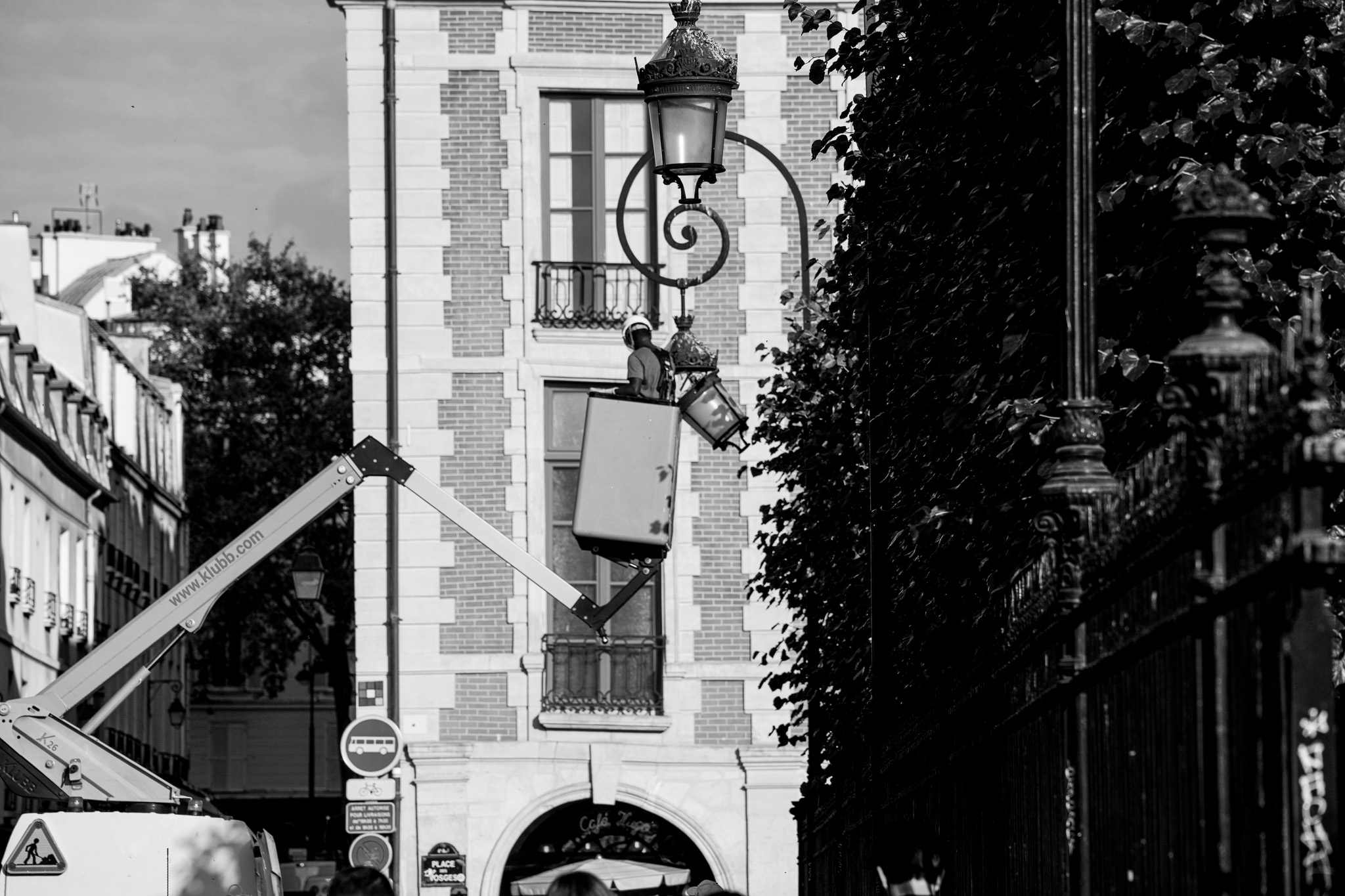
It lives in the late-summer light at 7pm, when it falls across the limestone facades of the old arrondissements. It lives in the glow of a brasserie at midnight in January, when the rain is cold outside and everything inside is warm and unhurried. That yellow is not a colour. It is a feeling. A frequency. A permission to slow down, stay longer, order another glass.
I have lost count of how many times I have arrived in Paris on yellow-light time. For me, the feeling is close to what Emicida describes in his song “AmarElo”: amar + elo, “a link of love” in free translation. My husband’s family lives there, which means I did not choose Paris once — I keep choosing it, every year, every season, across different versions of myself. And every time, it receives me as if I never left and never learned.
What Paris has given me professionally is more difficult to explain. It starts with attention. The city does not rush you toward conclusions. It lingers in contradictions — the ancient and the radical, the elegant and the chaotic, the intimate bistro and the monumental boulevard, the bourgeois and the avant-garde sharing the same pavement. I have learned to sit inside contradiction, and here it feels natural. To trust instincts as material, not as a problem.
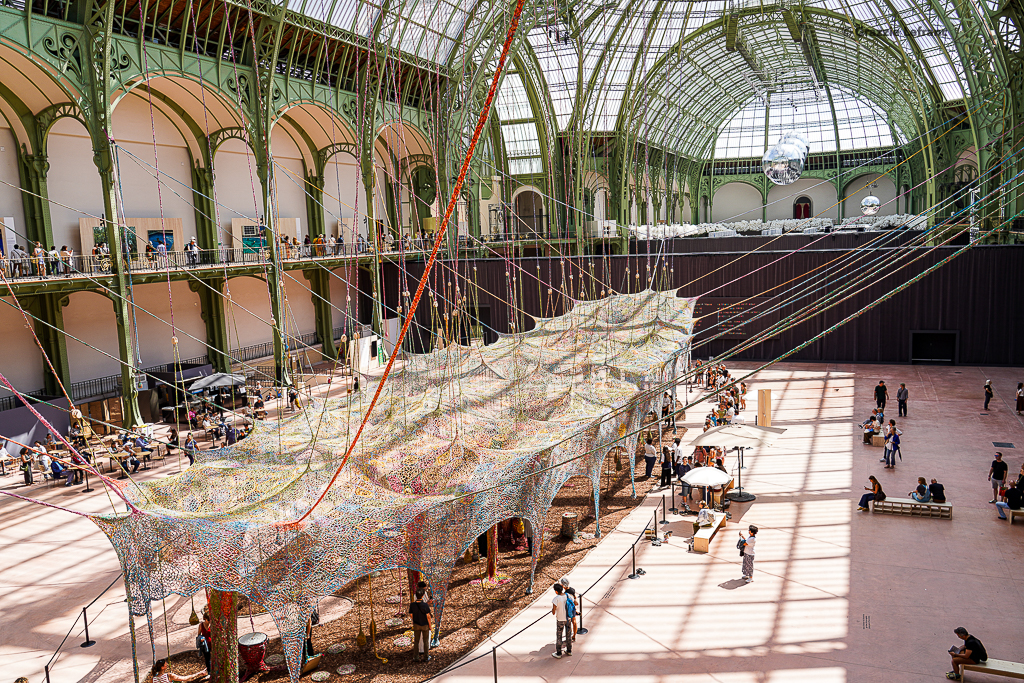
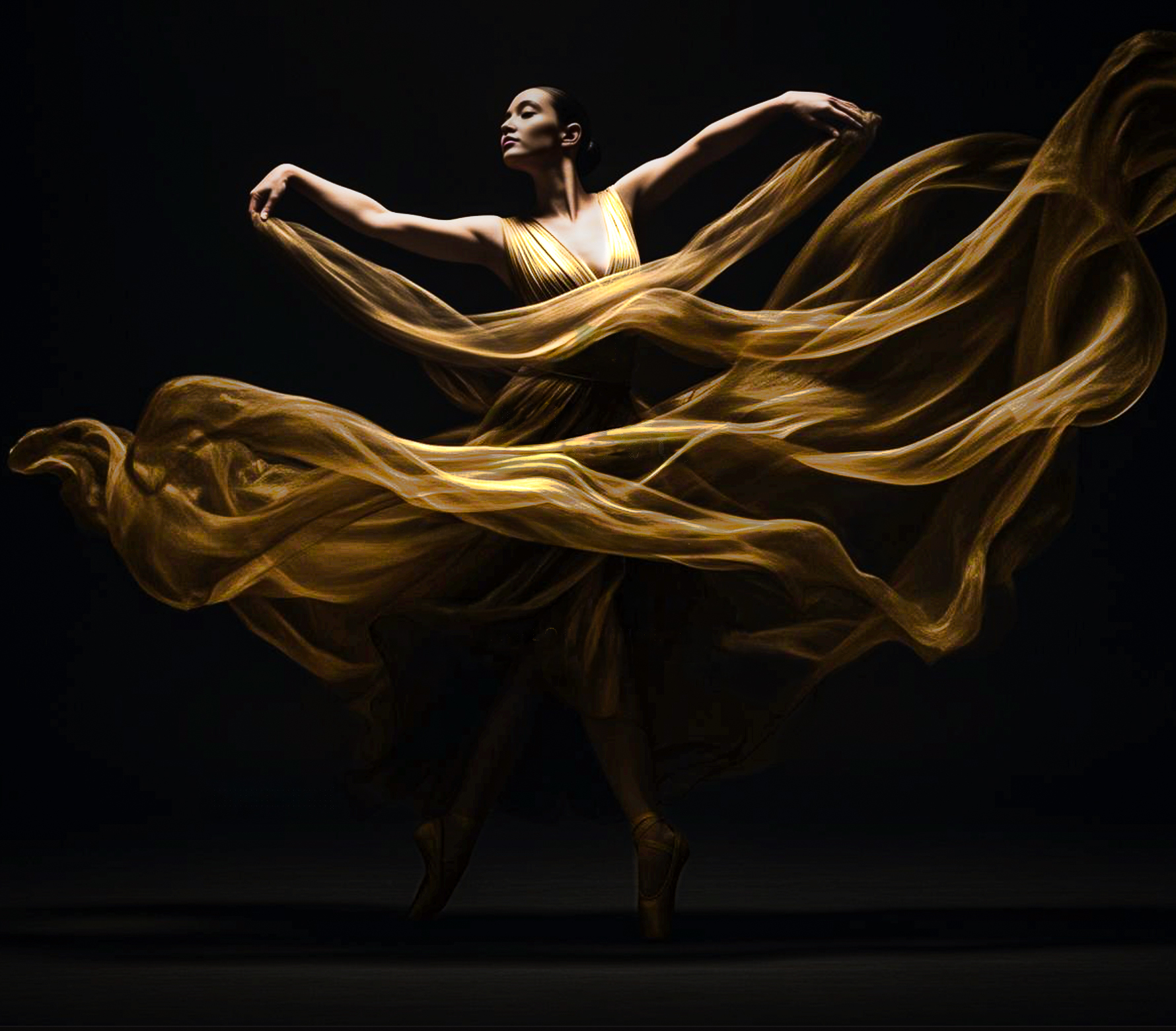
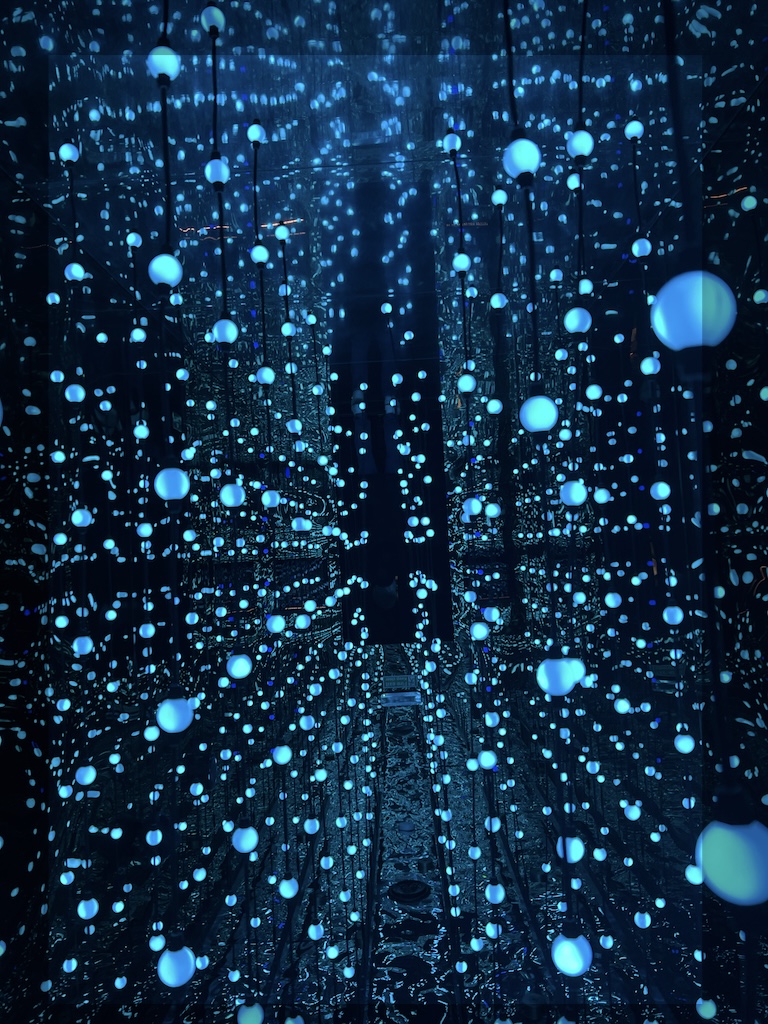
The art, installations and courses I have visited across Paris over the years have layered themselves into a kind of private architecture inside me. I don’t visit them to consume them. I visit them to be changed by them. To notice what stays after I leave the room. It was in front of a sculpture — a figure so still it felt like it was about to exhale — that the first real image of Alive Sculptures came to me. The idea that stillness is not absence. That marble remembers the body it was shaped after. That classical art is not historical — it is latent, waiting for a human presence to reactivate it.
The city does not rush you toward conclusions — and it contradicts you when you do.
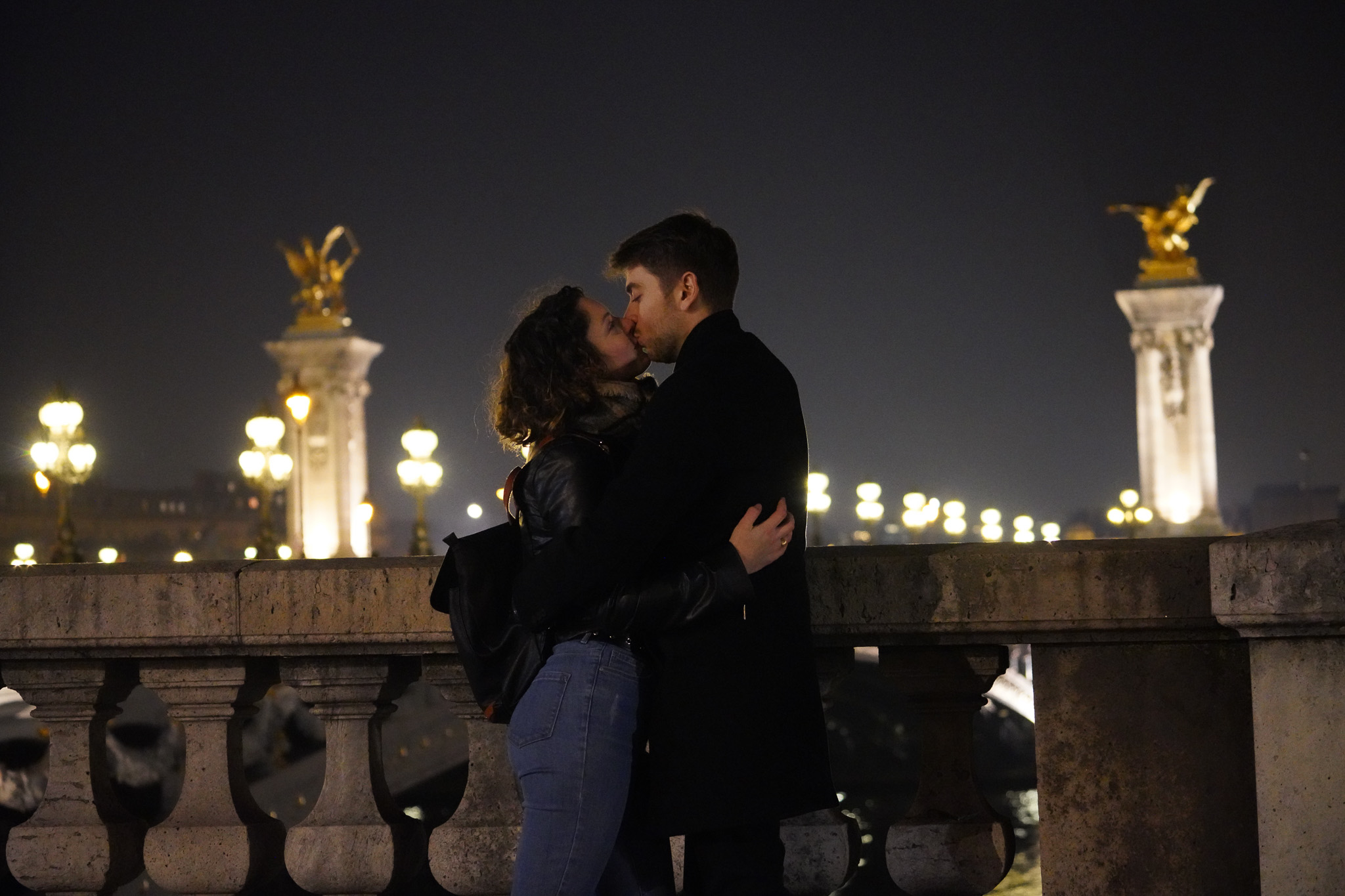
Paris is also where I meet the world. Each summer, the city becomes a gathering point for people I love, scattered across continents. Friends from Brazil, from London, from Lagos, from Lisbon, from Australia, from China, from Spain. We find each other on the same streets, at the same tables, over the same long meals that begin in daylight and end somewhere after midnight.
Paris is also where I meet the world.
“Paris taught me to sit inside contradiction. Not to resolve it — to live in it. That is where every good idea starts.”


There is something Paris does to the people I meet there — it makes them generous with their time. It convinces even the busiest person that the conversation matters more than the schedule.
The small restaurants stay with me most. The ones that have been in the same location for decades, the ones with complete savoir-faire on the product. The handwritten menus. The patron who remembers what you ordered last time. The way the kitchen sends out something unexpected — a small extra course, a glass poured because the vintage is running out and it would be a shame to waste it. These places are not selling nostalgia. They are practising continuity. And I have thought about them often when working on projects about memory, about what survives, about what a culture decides to carry forward.
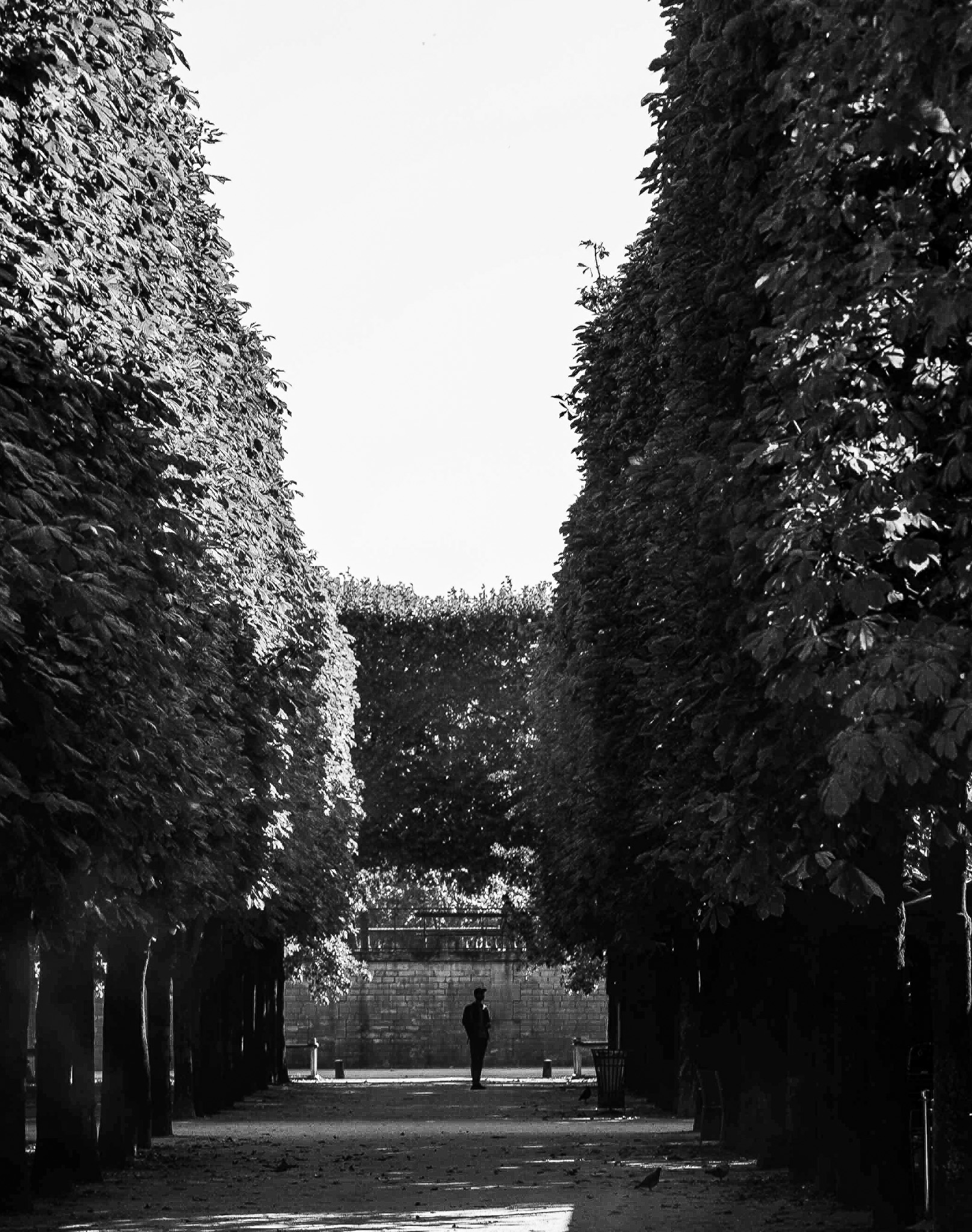
Paris encourages me to be curious without agenda. To walk into an exhibition without reading the press release first. To sit in a park and watch how people use light. To eat slowly enough to actually taste something.
These are not small skills. In a world that prizes acceleration, they feel like resistance. Or better — like a different kind of intelligence.
These places are not selling nostalgia.

“There is a yellow in Paris I have never found anywhere else. It is not a colour. It is a permission to slow down.”
Sources: Emicida’s AmarElo wordplay

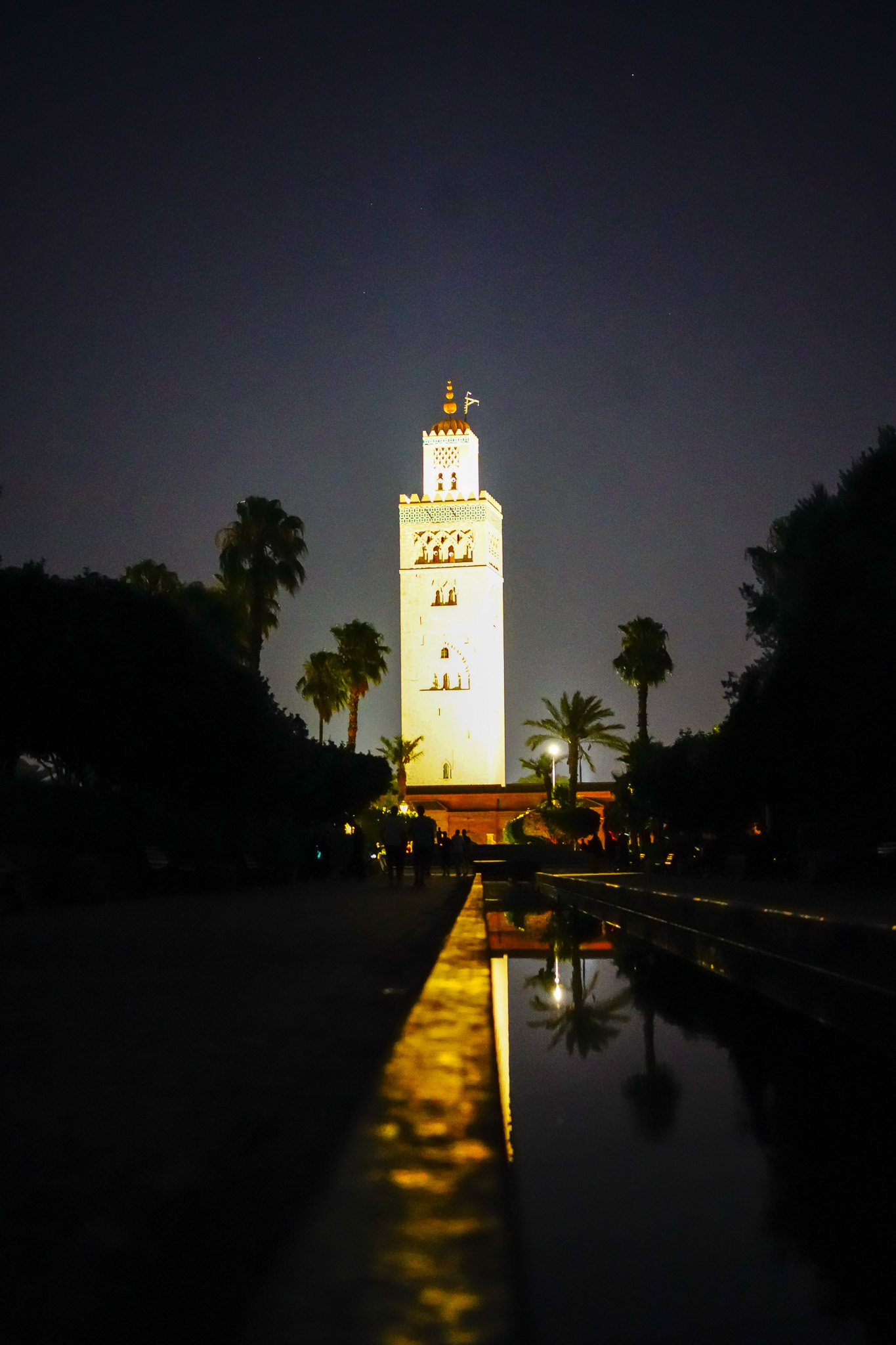
Some places do not impress — they recalibrate how you meet others, and Morocco does this with precision.
Read the essay →
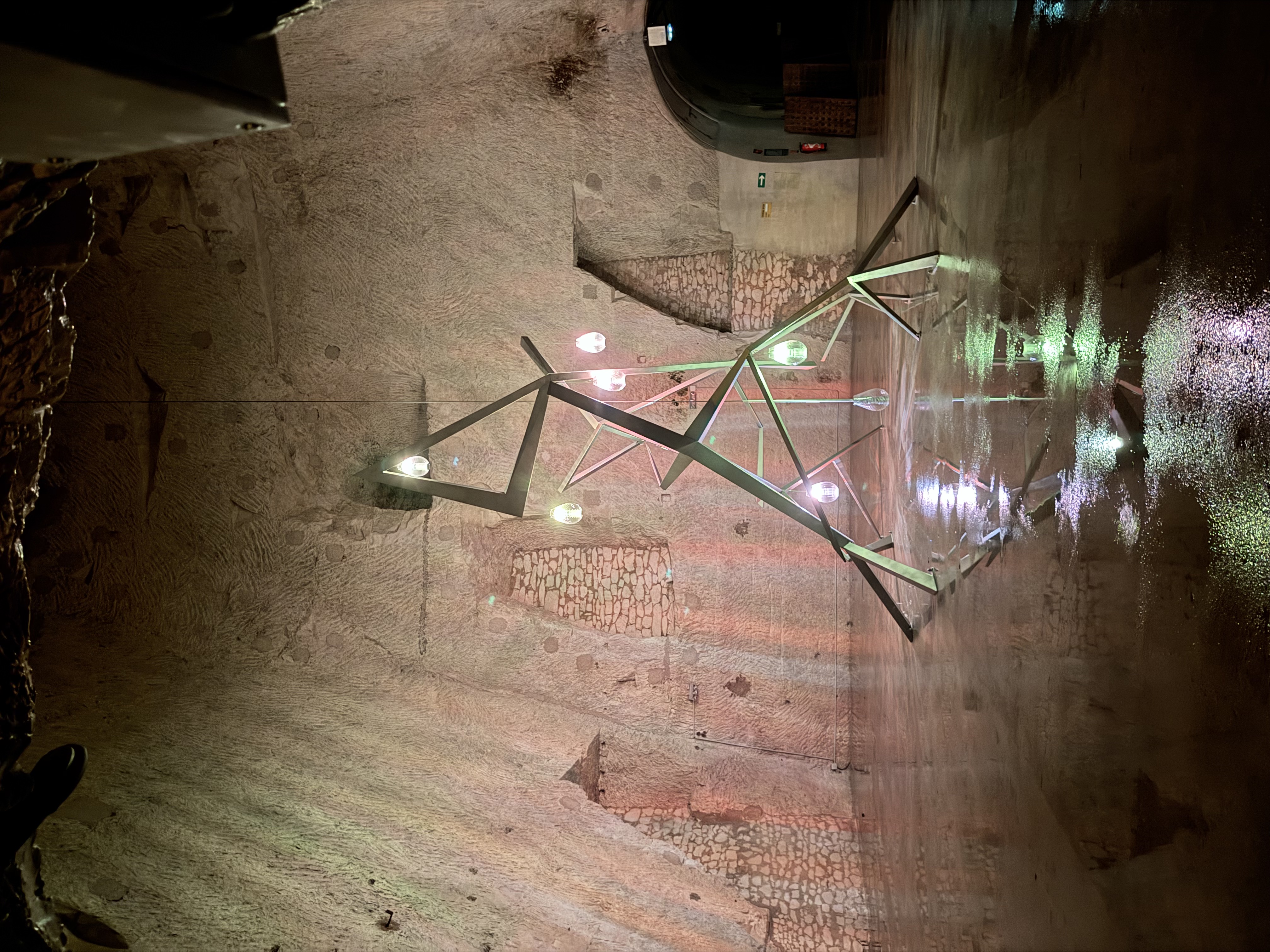
Some ideas do not arrive through force — but through environments that understand depth and time. Champagne is one of them.
Read the essay →
In human life, before anything can be understood, it moves in the body — and the body is where that shift begins.
Read the essay →
On human–technology co-evolution and the ethics of the in-between
Read the essay →
Before immersive systems become technologies, they are conditions — spaces where perception reorganises itself.
Read the essay →