Intertwined: Between 0 and 1 Is Life and What We Can Become
On human–technology co-evolution and the ethics of the in-between
Grazzielle LefrancLondon4 min read
i.
About one year and eight months ago, I began working on something I did not yet have a name for.
ii.
Origins of the project
I knew it belonged in the space between acceleration and care; between philosophy and the practical work of reverse engineering actions; between the extraordinary capabilities being built into artificial intelligence and the vulnerability of the human nervous system that must live alongside them; and between the future imagined by technologists and the future experienced by people who were never consulted about its design.
I came to this work not from technology, but from the body and from curiosity. My perspective grew from years of somatic practice, sensory experience, ancient knowledge, and attention to the intelligence held in gesture, rhythm, and silence. It also emerged from a second professional chapter that has evolved elements of the first.
My experience across Brazil and its Afro and Indigenous diasporas, Spain, Portugal, India, Argentina, Poland, Scotland, Morocco, Paris, and Champagne has reinforced a central conviction: human meaning is not computational. It lives in what is specific, relational, and slow. Any intelligence that cannot account for this is not intelligence at all; it is processing.
Human meaning is not computational. It lives in what is specific, relational, and slow.
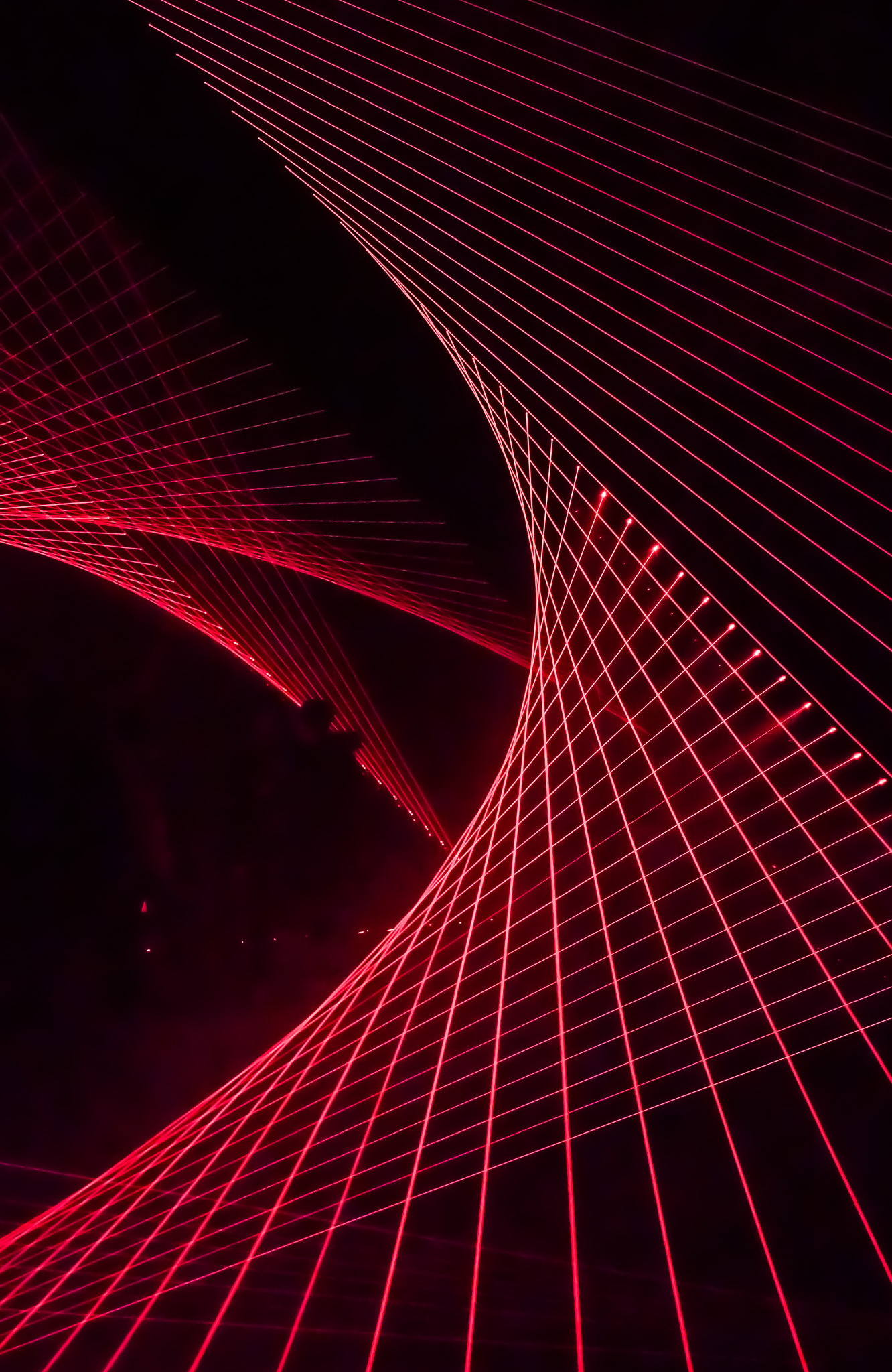
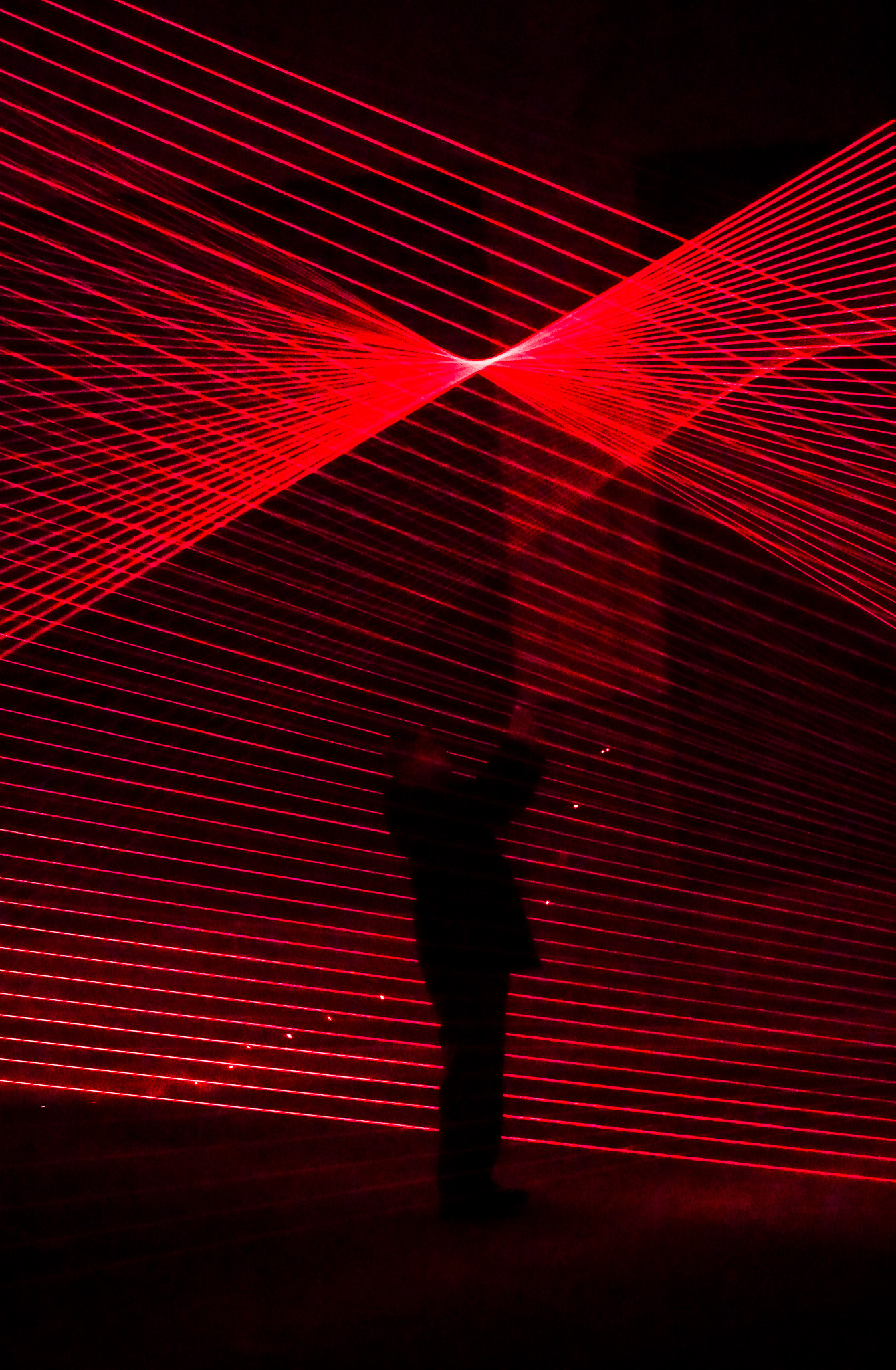
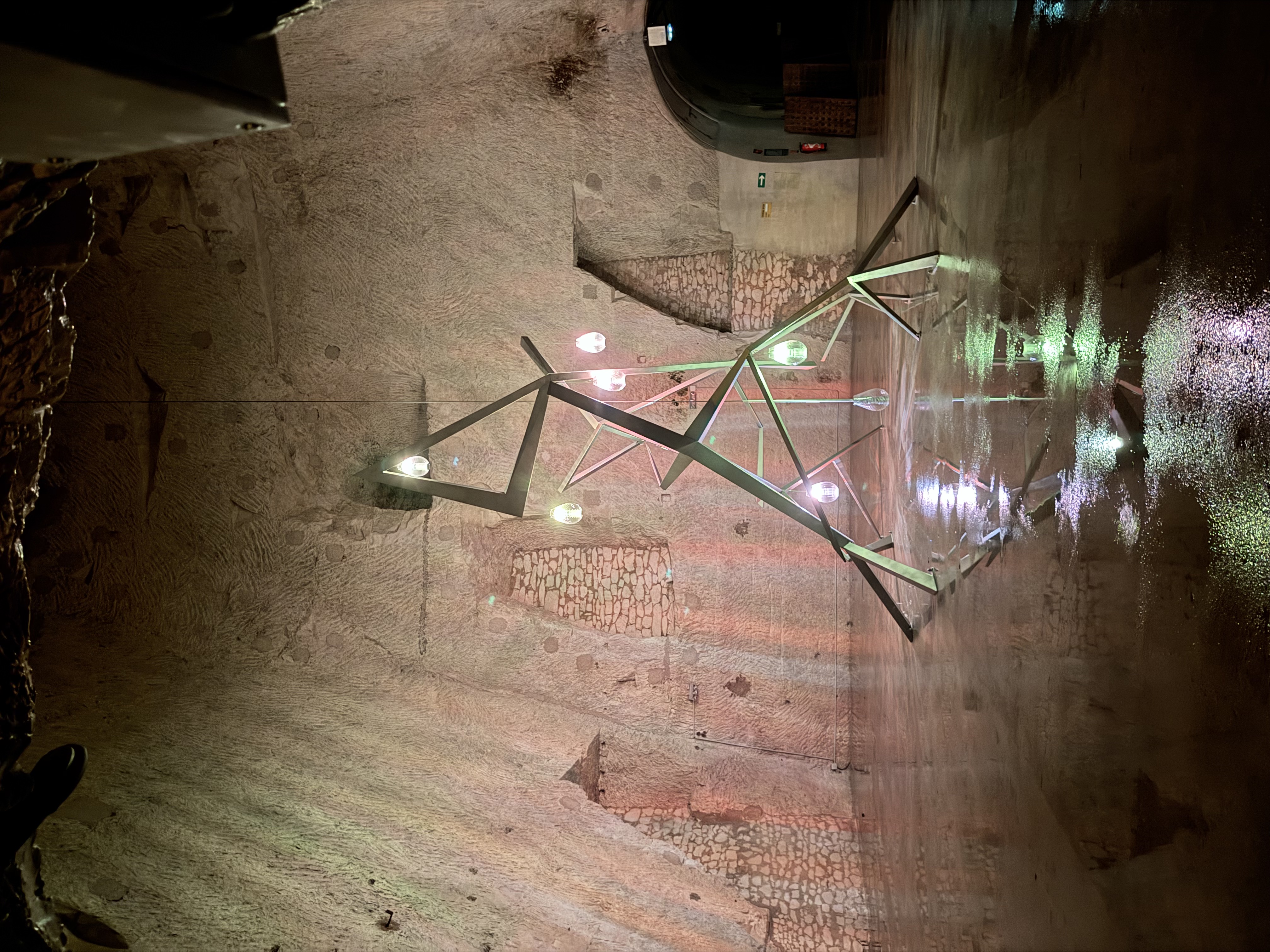
A spiral that keeps reconfiguring as it moves.The Between, as a space a body can enter.
iii.
The central idea
A spiral that keeps reconfiguring as it moves.The Between, as a space a body can enter.
The project is called Intertwine — Between 0 and 1 = Become. Its central claim is that meaningful intelligence, whether human or artificial, does not emerge from stability. It emerges from contradiction held with care, in the space between memory and embodiment, analysis and philosophy, action and reverberation.
The model is triadic, with an additional dynamic dimension: Memory (0), Body (1), the Between (3) — the liminal zone where they meet and collide — and the Become (4). Intergrowth proposes that this Between-layer is not a problem to be resolved. It is the primary site of evolution: the place where noise becomes information, paradox becomes insight, contradiction sits clear and the friction between what was and what is possible generates something neither could produce alone.
This is, deliberately, a non-singularity model. The dominant narratives of AI development tend toward two poles: either AI will align with human values (optimism) or it will diverge from them catastrophically (fear). Intergrowth refuses both. It proposes a third path: intergrowth, in which human and artificial intelligence evolve together through relational coupling, where neither dominates and neither disappears, and where the pace of development is set not by computational capacity but by the human nervous system’s capacity for integration.
The Between-layer is not a problem to be resolved. It is the primary site of evolution.
iv.
Visualising the model
The model can be visualised as a triangle shaped by a spiral path. As the spiral moves inward and outward, it appears and disappears, shifting the position of each element and changing the triangle’s overall configuration.
Periodic constraints influence the direction and rhythm of this movement. The image brings together several interconnected dimensions:
Physiological: the body and its patterns of sensation, regulation, and response.
Spiritual and cognitive: the relationship between inner life, meaning, and the mind.
Experiential: the flow of life, with its recurring tensions, transitions, and possibilities.
Technological: the near-infinite possibilities of code and the potential of computational and quantum power to identify new paths of triangulation.
In this sense, the model is both mathematical and alive: a dynamic system whose structure changes through movement, constraint, and relationship.
The manifesto puts it this way: AI amplifies. Humans integrate. Amplification is power. Integration is meaning. Become connects all.
What I am building around this framework is both conceptual and experiential. The written work — papers, frameworks, position documents — establishes the intellectual scaffolding. The experiential and sensory art exhibitions are steps towards making this understanding accessible. But the more important work is the question of how this philosophy gets felt. How it becomes not just a set of ideas but a set of environments, experiences, and designs that demonstrate, in real time, what it means for technology to develop as human becoming.
This is where Intertwine connects to everything else: to Alive Sculptures (the body reactivating throughout technology made still evolving to movement again), to Ambisonic Xiré (spatial sound in service of ritual and embodiment, not spectacle), to the Grazzie Move classes (somatic transmutation as a model for what ethical technology could aspire to — not transformation of the person, but support for the state they are trying to reach).
Between 0 and 1, there is a space that is not nothing. It is where we learn to become.
I am spending my professional life learning in that space. And I think it may be the most important territory of the next twenty years.
Between 0 and 1, there is a space that is not nothing.
Mathematical and alive.
“Between 0 and 1, there is a space that is not nothing. It is where we learn to become.”