

Essay 07 · Sense & Perception
Visual consistency makes a brand recognisable. Only perceptual architecture makes it felt — and felt is what endures.
The best luxury brands already know that experience transcends aesthetics.

Hermès doesn't just design leather goods — they architect the acoustic quality of their boutiques, the weight of their packaging, the exact resistance of a drawer opening. Aesop treats retail space as olfactory sculpture, where scent and material become inseparable from brand identity.
This isn't accidental. It's sensory intelligence: the systematic design of how perception becomes memory.


But here's what's changing. Even brands that understand multi-sensory experience are struggling with perceptual coherence at scale. A flagship in Paris feels right. The e-commerce experience? Flat. An Instagram campaign? Visually perfect but sensorially empty. A digital interface? Fast, functional — but where's the weight, the pacing, the haptic feedback that made the physical space feel alive?
The question isn't "Should we design for the senses?" The question is: "Can we maintain perceptual coherence as we scale, digitise, and fragment across platforms?"
This is where sensory intelligence separates from sensory branding. Sensory branding adds elements: a signature scent, a sonic logo, textured packaging. Sensory intelligence builds architecture: a coherent perceptual system that translates across physical space, digital interface, temporal experience, and cultural context — without losing its essential character.
Sensory branding adds elements. Sensory intelligence builds architecture.


Consider what luxury brands face now. A customer experiences your brand in a flagship boutique (full sensory immersion), then on Instagram (visual only), then receives a package at home (tactile and olfactory, but no spatial context), then visits your website (visual and sonic, but no haptic feedback), then encounters a pop-up in another city (compressed spatial experience).
Each touchpoint operates in a different sensory register. Most brands solve this with visual consistency: same logo, same colours, same typography across all platforms.


A customer might recognise your brand everywhere — but do they feel it everywhere? Does the digital experience carry the same perceptual weight as the physical one? Does the pacing of your website mirror the spatial rhythm of your boutique? Does your packaging communicate the same material intelligence as your retail environment?
This is the gap sensory intelligence addresses.
“Visual consistency doesn't create perceptual coherence.”

Sensory intelligence is the systematic application of perceptual psychology to brand experience — not as decoration, but as structure. It works at three levels.
Immediate perception. What does the customer sense in the first three seconds? Beyond the visual: the acoustic quality of a space, the temperature differential when entering, the haptic feedback of an interface, the latency between action and response, the olfactory baseline. Even digital experiences have sensory signatures — the micro-rhythm of a scroll, the weight of a button press, the sonic silence between transitions.


Emotional encoding. How does sensory input connect to emotion and memory? Scent bypasses cognitive processing and activates the limbic system directly. Texture conveys trust faster than language. Spatial generosity creates psychological safety. Interface pacing signals care or carelessness. These aren't aesthetic choices — they're perceptual instructions.
Long-term perceptual coherence. Does the brand maintain its essential character across radically different contexts? Not through visual repetition — but through an underlying perceptual logic that adapts without dissolving.
Perceptual architecture isn't a single experience — it's the system that governs how all experiences align. It's the invisible grammar that makes a maison's scarf, its saddle, its storefront and its website feel coherent even when they look nothing alike. There's a perceptual through-line: restraint without coldness, precision without sterility, luxury without excess.
Most brands don't have this. They have visual consistency without perceptual architecture.

Digital flattening. E-commerce and social media compress experience into the visual register. Brands that can't translate their sensory depth into digital contexts become indistinguishable from well-styled competitors. The ones that endure will be those that find ways to carry perceptual intelligence into screen-based interaction — not by mimicking physical space, but by designing digital-native sensory signatures.
Experiential luxury. Post-pandemic, luxury consumers prioritise how something makes them feel over what they own. Possession is secondary to experience. This isn't about product — it's about perceptual architecture. Brands need to design for memory, not just moment.
AI-generated aesthetics. AI can now generate infinite "luxury-looking" content. Surface signals are no longer a differentiator. What AI cannot replicate — yet — is the felt experience of materiality, spatial presence, embodied interaction, temporal pacing. Brands that design beyond the representational layer will remain defensible.

Museums are further ahead on this than most luxury brands.
Walk into the Neue Nationalgalerie in Berlin (Mies van der Rohe): the building teaches you how to look before you've seen a single artwork. The scale, the light quality, the acoustic resonance — they're training your perceptual system.

Now walk into most contemporary museum exhibitions: the lighting is ambient, designed to "not interfere". But this is a missed opportunity. Lighting isn't neutral — it's instructional. It tells you what matters, how to move, where to focus.
The best curators understand this. A Caravaggio needs raking light to activate the chiaroscuro. A Rothko needs diffuse, even illumination to sustain the colour field. A sculpture needs directionality to reveal form.
Some maisons do this in retail. Aesop does it in product experience. Diptyque does it in spatial storytelling. But who's doing it across the entire brand ecosystem — physical, digital, temporal, cultural?
That's the frontier.
“Sensory intelligence isn't about adding more stimuli. It's about designing the perceptual conditions under which meaning emerges.”
If you're a luxury brand, a cultural institution, or any organisation that depends on felt value rather than functional utility, the question isn't "Does our visual identity work?" The question is: "Does our brand exist beyond its symbolic layer? Can people feel it, remember it, trust it without seeing it?"
Ask yourself:
If the answer is no — or if you're not sure — you don't have a branding problem. You have a perceptual architecture problem. And perceptual architecture can be designed.
That's what sensory intelligence does. It doesn't style brands. It architects how brands are felt. How they enter memory. How they shape behaviour over time. How they remain coherent across contexts that visual identity alone cannot bridge.
We're moving from an era of visual saturation to one of perceptual clarity. The brands that will matter in ten years won't be the ones with the most content, the most followers, or the most recognisable logos. They'll be the ones that understand this:

“Image is infrastructure, not decoration. The question is: are you building on solid ground?”

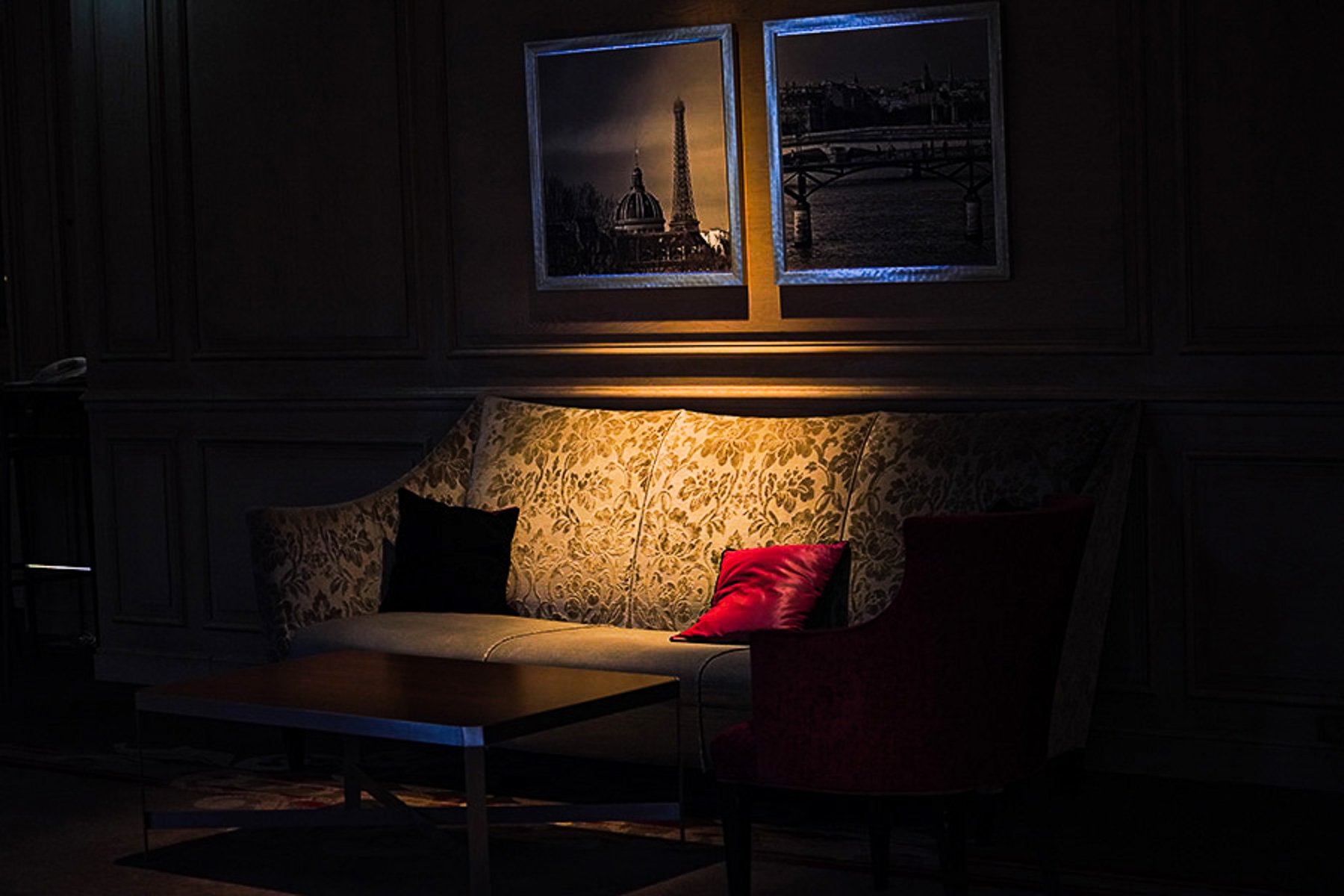
Paris does not ask to be understood quickly — it teaches you how to see by slowing you down.
Read the essay →
Some places do not impress — they recalibrate how you meet others, and Morocco does this with precision.
Read the essay →
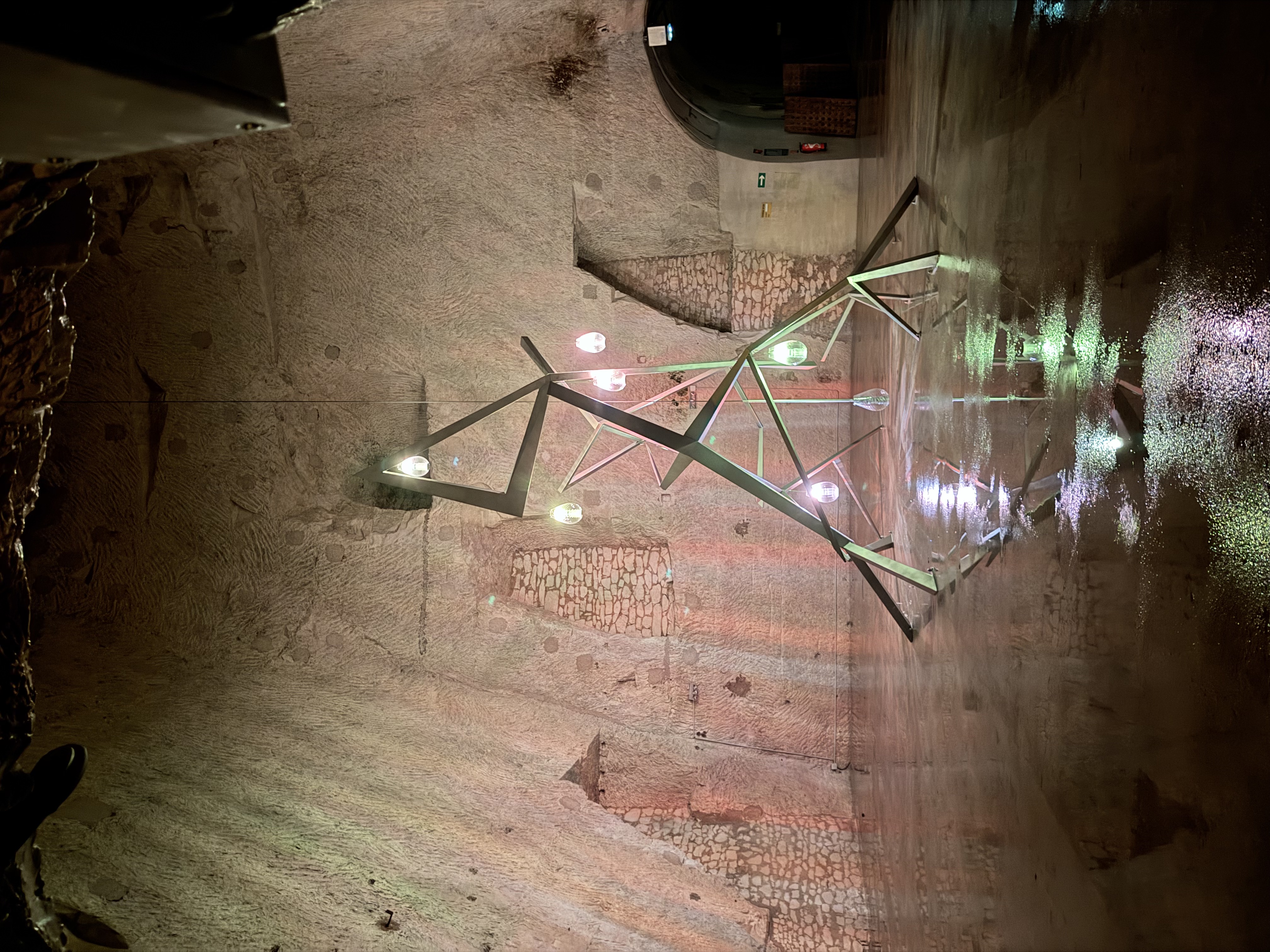
Some ideas do not arrive through force — but through environments that understand depth and time. Champagne is one of them.
Read the essay →
In human life, before anything can be understood, it moves in the body — and the body is where that shift begins.
Read the essay →
On human–technology co-evolution and the ethics of the in-between
Read the essay →
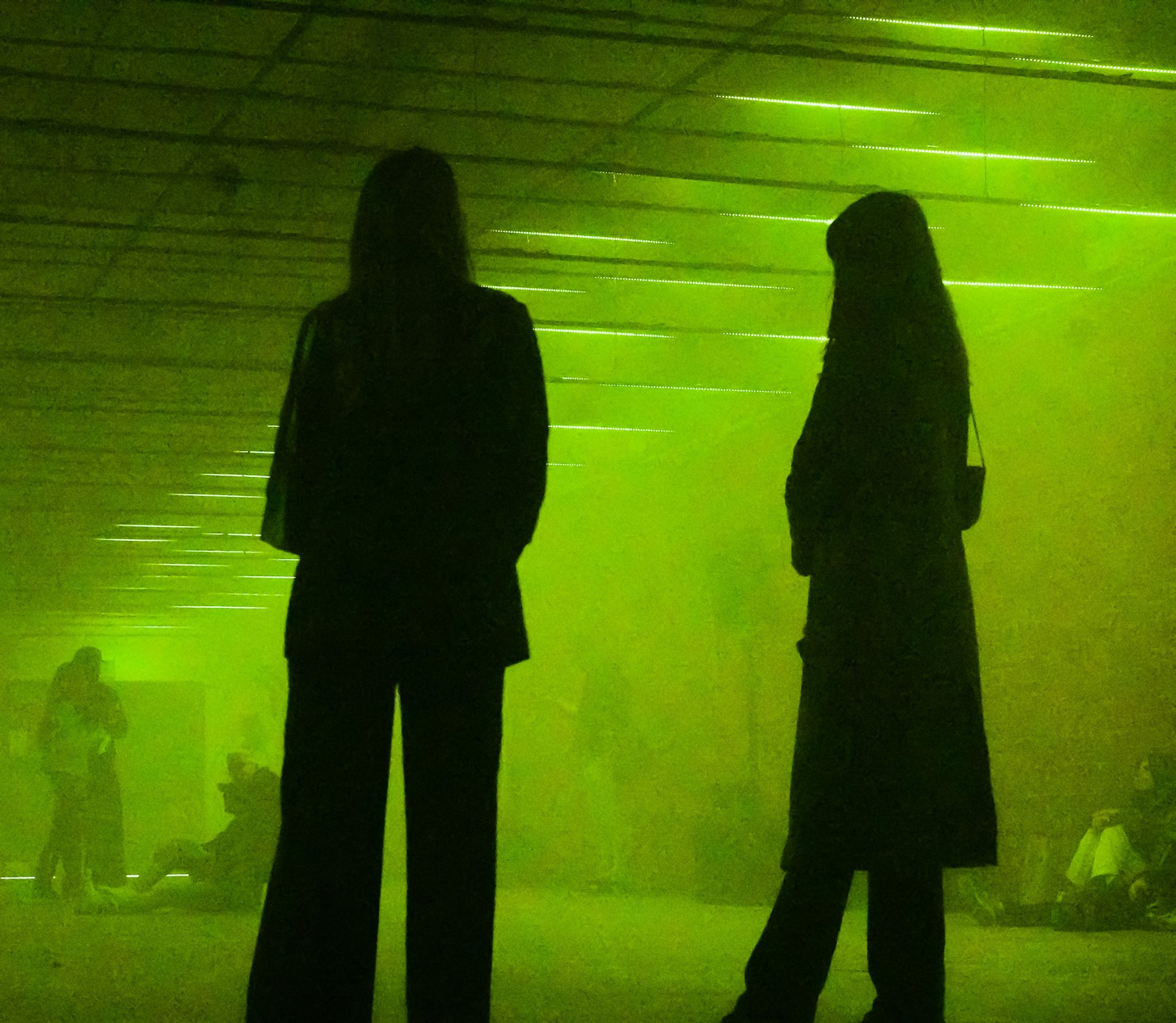
Before immersive systems become technologies, they are conditions — spaces where perception reorganises itself.
Read the essay →
Visual consistency makes a brand recognisable. Only perceptual architecture makes it felt — and felt is what endures.
Read the essay →